


TL:DR – Germany Reaffirms Opposition to Diplomatic Talks with Putin on Ukraine
• The German government opposes reopening diplomatic channels with Russian President Vladimir Putin regarding the war in Ukraine.
• Germany supports direct talks between Russia and Ukraine at the highest level.
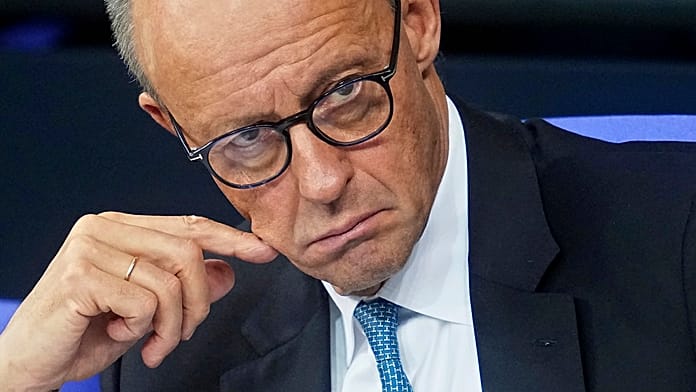
• Chancellor Friedrich Merz is sceptical about re-engagement with the Kremlin.
• The EU plans to increase pressure and sanctions on Russia.
• The European Commission admits talks may occur but emphasises Russia must make concessions first.
• Estonia’s foreign ministry stresses not to engage with Russia until it changes its aggressive actions.
• The Czech Republic suggests the EU consider appointing a special envoy for peace talks related to Russia’s war in Ukraine.
Germany opposes direct talks with Russia due to Putin’s ‘maximalist demands’
Germany opposes diplomatic talks with Russia for Ukraine peace negotiations, a purposeful stance by the EU to send a message to Moscow and Washington DC.
The German government has reiterated its opposition to reopening diplomatic channels with Russian President Vladimir Putin regarding negotiations to end the war in Ukraine, contradicting the recent support for such talks expressed by French President Emmanuel Macron and Italian Prime Minister Giorgia Meloni. This stance is significant as it reflects a consistent German commitment to maintaining pressure on Russia amid ongoing hostilities.
Germany’s Federal Foreign Office emphasised that direct negotiations must involve Ukraine, citing Russia’s unchanged aggressive posture as a barrier to meaningful talks. The spokesperson stated that Russia continues to make maximalist demands while launching attacks on Ukrainian infrastructure.
Chancellor Friedrich Merz Skeptical About Re-engagement
Chancellor Friedrich Merz expressed doubt about re-engaging with Russia, highlighting the Kremlin’s refusal to establish an unconditional ceasefire. He stated, “We will have to maintain our pressure and sanctions, and intensify them wherever possible,” stressing that the economic repercussions for Russia would escalate if it does not change its approach.
Merz’s comments align with Germany’s position within the European Union, as it seeks to present a united front against Russian aggression.
Diverging Views on European Engagement with Russia
While Germany remains firm against direct talks, other European leaders advocate for dialogue with Russia. Emmanuel Macron has called for immediate conversations with Putin, and Giorgia Meloni supported this view, suggesting that Europe should not engage solely with one party in negotiations.
As the European Commission acknowledges the possibility of future direct talks, there is considerable debate on the effectiveness of such dialogue unless Russia shows a commitment to genuine negotiation efforts. The Estonian foreign ministry echoed the sentiment that talks cannot occur without a shift in Russia’s conduct.
Brussels is also preparing a new package of sanctions against Russia, aiming for implementation around the upcoming anniversary of the invasion, as discussions about Europe’s role in potential negotiations continue.