



Get you up to speed: Australia to double fines on Big Tech as children bypass social media ban
Australia will double fines on social media companies that fail to prevent children under 16 from accessing their platforms. The new legislation raises penalties from 49.5 million to 99 million Australian dollars and enhances the powers of the eSafety Commissioner to enforce compliance.
The eSafety Commissioner is investigating potential breaches by Facebook, Instagram, Snapchat, TikTok, and YouTube, as the government aims to enhance compliance measures. New legislation will empower the Commissioner to request documents from tech platforms and mandates that they demonstrate “reasonable steps” to prevent access by under-16s.
Australia plans to double fines for social media companies that fail to enforce its under-16 social media ban, raising maximum penalties to 99 million Australian dollars. The eSafety Commissioner will receive enhanced powers to demand documentation from platforms to ensure compliance, with stakeholders in similar jurisdictions closely monitoring the country’s approach.
What remains unclear — It is unknown how effectively the new powers for the eSafety Commissioner will be enforced to ensure compliance from social media companies.
Australia to double fines for Big Tech over children bypassing social media ban
News|Social MediaAustralia to double fines on Big Tech as children bypass social media ban
Canberra says tech platforms are still letting too many children bypass its under-16 social media ban.
Published On 27 Jun 202627 Jun 2026
 Published On 27 Jun 202627 Jun 2026
Australia says it will double fines on social media companies that fail to keep children off their platforms, accusing Big Tech of dodging the spirit of its under-16 ban.
The government said on Saturday that new legislation would raise the maximum penalty for systemic breaches from 49.5 million to 99 million Australian dollars ($31m to $68m) and give the eSafety Commissioner stronger powers to force platforms to comply.
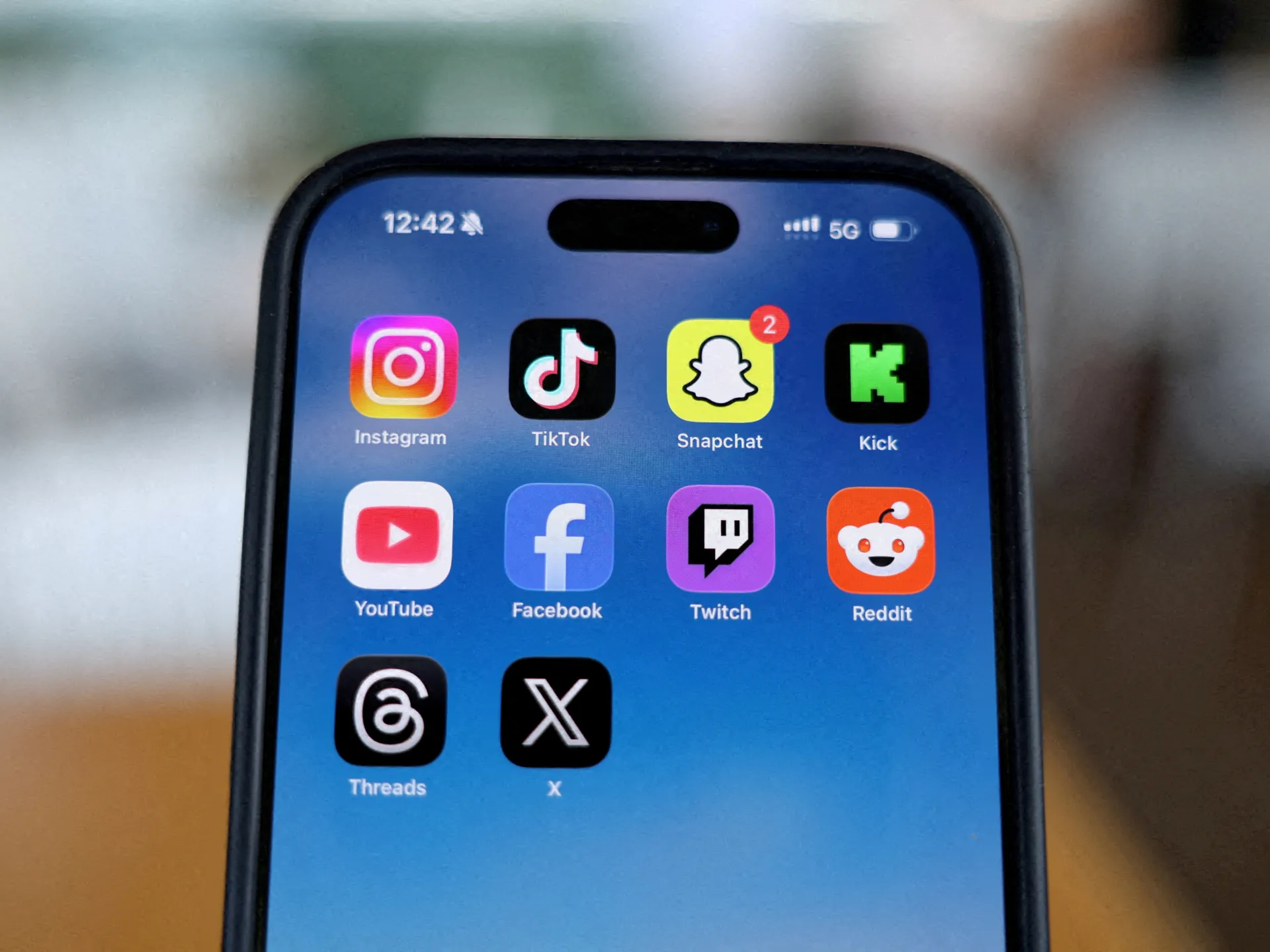
The regulator is investigating possible breaches by Facebook, Instagram, Snapchat, TikTok and YouTube.
“It’s clear Big Tech are not doing enough to comply with the law – there are still too many children on social media,” Prime Minister Anthony Albanese said.
“These changes reflect the seriousness with which we take any failure by social media companies to comply.”
The ban, which came into force on December 10, made Australia a global test case for countries trying to curb children’s access to social media. The United Kingdom, Indonesia, the United Arab Emirates and New Zealand are among those watching or considering similar restrictions.
But children have continued to evade the rules by using accounts registered to older people, creating fake profiles or logging in through private browsers.
A peer-reviewed evaluation published this month in the British Medical Journal found “insufficient evidence” that the ban had sharply reduced social media use among young people. Researchers surveyed more than 400 children before the measure took effect and again three months later, finding “substantial circumvention” of the rules.
The government says more than five million accounts held by under-16s have been blocked, but Communications Minister Anika Wells said platforms were still falling short.
“Based on the regular updates I receive from the eSafety Commissioner, it is clear to me that social media platforms are adopting tricks straight out of the Big Tech playbook and doing the bare minimum to get by,” Wells said.
“Social media platforms are some of the richest and most powerful companies in the world, and we’re serious about holding them to account,” she added.
The new powers would allow the eSafety Commissioner to demand documents and evidence from platforms, age-checking companies and app stores.
Platforms must show they have taken “reasonable steps” to keep under-16s out. Some use artificial intelligence to estimate ages, while users can also verify their age with a government ID.