



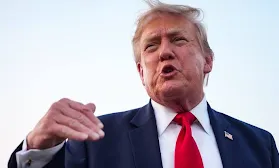
Media Lens: Trump imposes tariffs on 60 countries as expiring duties are replaced
Trump imposes new tariffs on 60 countries.
Donald Trump has announced new tariffs on 60 countries. The tariffs are reported to range between 10% and 12.5%, according to coverage in US and global politics and latest US news.
What happened
Donald Trump has announced new tariffs affecting 60 countries as global duties are set to expire. The tariffs will range from 10% to 12.5% and are intended to replace previous levies.
This move follows the expiration of existing tariffs and aims to adjust the U.S. trade policy landscape significantly. The reassessment of these tariffs impacts numerous trade partners globally.
Key facts
- Donald Trump has imposed new tariffs affecting 60 trade partners.
- The tariffs range from 10% to 12.5%.
- This action replaces previously expiring tariffs.
- The announcement of tariffs comes as part of a shift in U.S. trade policy.
Where coverage differs
- Outlet A emphasizes Trump’s sweeping new tariffs as a bold economic strategy, while Outlet B emphasizes the potential backlash from trade partners.
- Outlet C foregrounds the implications for U.S. workers and industries rather than the reaction of foreign nations.
- Outlet D prioritizes the short-term economic effects of the tariffs over the broader implications for international trade relations.
One story, four angles
CNBC – Trump to slap ‘sweeping’ new tariffs on 60 trade partners as global duties expire
Publication: CNBC | Primary framing pattern: Political | Tone: Serious | Intensity: 7/10 | Sentiment: Neutral | Legal precision: High
Expand
Espresso Shot: CNBC outlines the U.S. government’s decision to implement new tariffs on 60 countries, with an emphasis on their potential impact on international trade relations. It highlights the expiration of previous global duties and the political context behind these changes.
Publication emphasis: The focus is on new tariffs and their political ramifications.
Framing analysis: The article foregrounds the action of imposing tariffs and its broader political implications while briefly addressing the economic implications secondary.
Bias: Selection: Emphasis on political motivations. Language: Terms like “sweeping” convey urgency. Omission: Lack of detailed analysis on economic fallout for affected countries.
Assessment: The article provides a substantial overview with a clear focus on political implications rather than economic analyses.
The New York Times – U.S. to Impose Tariffs on Over 80 Nations, Setting New Grounds for Trade Policy
Publication: The New York Times | Primary framing pattern: Policy | Tone: Analytical | Intensity: 6/10 | Sentiment: Cautious | Legal precision: High
Expand
Espresso Shot: The New York Times analyzes the implications of newly imposed tariffs on over 80 nations, emphasizing the policy changes these tariffs represent. The article discusses the necessity and potential consequences of such decisions in the context of global trade.
Publication emphasis: The focus is primarily on the policy changes associated with tariffs.
Framing analysis: The article foregrounds policy implications and necessary actions, with economic consequences presented in a supportive role.
Bias: Selection: Highlighting policy implications without deeper exploration of political motivations. Language: Use of “new grounds” adds urgency. Omission: Limited examination of international response or backlash.
Assessment: The article effectively discusses policy but could delve deeper into international reactions.
NBC News – U.S. sets tariffs at 10% to 12.5% on 60 trade partners to replace expiring tariffs
Publication: NBC News | Primary framing pattern: Policy | Tone: Informative | Intensity: 5/10 | Sentiment: Neutral | Legal precision: High
Expand
Espresso Shot: NBC News reports on the new tariff rates imposed on 60 trade partners, concentrating on the specifics of the percentages set between 10% and 12.5%. The piece aims to inform readers about the reasons behind the new tariff policies replacing expiring ones.
Publication emphasis: The article prioritizes the specification of tariff rates and their replacements.
Framing analysis: It foregrounds the logistical aspects of setting tariffs, while the political context is less emphasized.
Bias: Selection: Focus on tariff specifics and procedural insights. Language: Straightforward terminology that emphasizes clarity. Omission: Less exploration of the broader trade implications.
Assessment: The article provides useful specifics but lacks depth in the potential ramifications of these changes.
WMUR – Trump imposes double-digit tariffs on dozens of countries as his 10% levies are set to expire Friday
Publication: WMUR | Primary framing pattern: Consequence | Tone: Urgent | Intensity: 8/10 | Sentiment: Critical | Legal precision: Moderate
Expand
Espresso Shot: WMUR reports on the imminent implementation of double-digit tariffs as Trump’s previous levies are about to expire. This article stresses the urgency of the situation and the potential consequences for global traders and economic relationships.
Publication emphasis: The focus is on the urgent need for companies and countries to prepare for tariff changes.
Framing analysis: Foregrounds the immediate consequences of tariff changes, while historical context is deemphasized.
Bias: Selection: Highlights urgency and direct impacts on businesses. Language: Dramatic language around “double-digit tariffs” heightens urgency. Omission: Lacks broader political context.
Assessment: The article effectively communicates urgency but could include more context regarding trade policies.
Food for thought
CNBC frames Trump’s new tariffs as a significant move, stating he “imposes double-digit tariffs on dozens of countries,” suggesting a broad and somewhat aggressive economic strategy. In contrast, The New York Times provides a more restrained perspective, referring to the tariffs as part of “new grounds for trade policy,” emphasizing a systematic approach to changing trade relations. While CNBC’s focus on “double-digit” implications serves as the strongest legal framing by quantifying the tariffs, The New York Times escalates the situation by indicating this marks a pivotal shift in U.S. trade principles. The facts do not change. What changes is where scrutiny lands.