


Tensions in the Middle East threaten to increase inflation and energy costs
Rising economic concerns
Tensions in the Middle East are poised to increase inflation and energy costs, affecting the EU’s economic landscape despite limited direct trade with Tehran.
Tensions in the Middle East are poised to increase inflation and energy costs, affecting the EU’s economic landscape despite limited direct trade with Tehran.
Economic Concerns
Analysts warn that escalating tensions in the Middle East could surge inflation and energy prices across Europe, impacting economic stability.
Analysts warn that escalating tensions in the Middle East could surge inflation and energy prices across Europe, impacting economic stability.
Current inflation status
Inflation and energy costs are rising due to heightened tensions in the Middle East, impacting the EU despite minimal direct trade with Tehran.
Inflation and energy costs are rising due to heightened tensions in the Middle East, impacting the EU despite minimal direct trade with Tehran.
Briefing summary
Tensions in the Middle East have escalated, posing risks to inflation and energy prices in the European Union. The EU has minimal direct trade with Tehran, yet the impacts may ripple through wider markets.
Energy costs are already under scrutiny, as rising uncertainty could influence supply chains. The European Commission is closely monitoring the situation to assess its economic implications on EU member states.
Read in Full
As Europe imports no Iranian oil, how does the conflict in Iran impact trade?
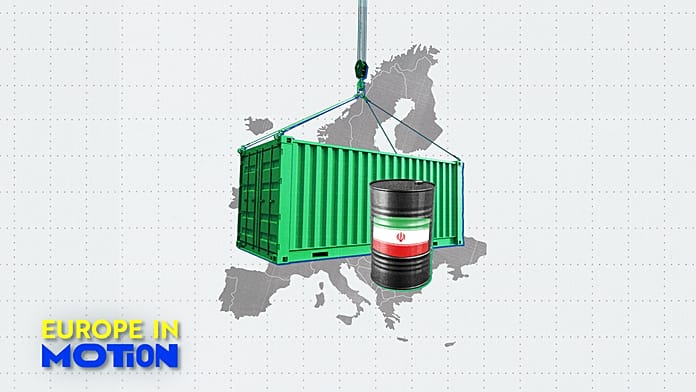
Tensions in the Middle East have threatened to drive up inflation and energy costs despite the EU having little direct trade with Tehran.