


TL:DR
- Erfan Soltani, a shopkeeper detained amid Iranian protests, is no longer at risk of execution.
- Initially charged with colluding against internal security, his death penalty is under reconsideration by authorities.
- Human rights groups express ongoing concerns about his safety despite the regime’s backtrack.
- Protests in Iran, spurred by inflation, have resulted in over 2,000 deaths and 20,000 arrests.
- Tensions between Iran and the US have escalated, with Donald Trump warning of potential military options.
Erfan Soltani won’t be executed after Iran backtracks on death sentence | News World
A shopkeeper facing execution over his involvement in the Iran protests is no longer at risk of the death penalty.
Erfan Soltani, 26, was detained last week as Iran has been swept by mass protests against the regime, reportedly leading to thousands of deaths and arrests after violence.
He is thought to have been the first Iranian protester facing the death penalty since the latest demonstrations.
Soltani’s family said he could be executed at any moment before the Iranian regime appeared to make a U-turn.
Iran’s media said today that Soltani’s charge is ‘colluding against the country’s internal security and propaganda activities against the regime’ and that the death penalty does not apply to it if confirmed by a court.
However, human rights observers remain worried over his fate despite the apparent backtracking.
Hengaw, a Norway-based Kurdish human rights group, said that although his execution was postponed, they have ‘serious and ongoing concerns’ regarding his life.
Iranian foreign minister, Abbas Araghchi, insisted there was ‘no plan’ to hang people, while the country’s judiciary labelled foreign reports about his execution plan as ‘fabrication.’
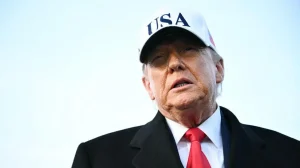
Donald Trump issued a warning to Iran earlier in the week after the mounting death toll, saying that the US military was looking at ‘some very strong options.’
The US president said today he has been told that the regime’s deadly crackdown against protesters is easing and there are no plans for mass executions.
Protests have swept through Iranian cities and towns in recent weeks, sparked by unhappiness over rampant inflation. The regime was quick to shut down the country’s Internet, although some people have been able to use the satellite Starlink.

More than 2,000 are feared dead and almost 20,000 people have been arrested during the unrest, according to the US-based Human Rights Activists News Agency.
The protests and Trump’s involvement have further soured the already tense relationship between Tehran and Washington.
The US, which has at least 19 military bases in the Middle East, began pulling military personnel from some of the locations.
Iran issued a threat to Trump live on state TV and during pro-regime rallies, saying that ‘next time the bullet won’t miss.’

While the Iranian regime and the supreme leader Ayatollah Ali Khamenei are holding onto power, Iranian opposition abroad has gathered momentum.
Reza Pahlavi, the crown prince and the son of the last Shah of Iran who was toppled, has emerged as a prominent voice.
Trump described him as ‘very nice, but I don’t know how he’d play within his own country.’
He continued: ‘And we really aren’t up to that point yet.
‘I don’t know whether or not his country would accept his leadership, and certainly if they would, that would be fine with me.’