


TL:DR – European Commission Proposes New Sanctions Against Russia on Friday
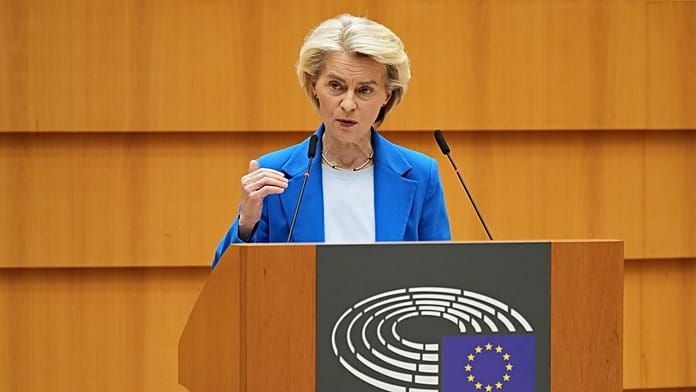
• The European Commission proposed new sanctions against Russia on Friday to pressure its war economy, with President Ursula von der Leyen stating that Russia only responds to pressure.
• The main element includes a full ban on maritime services for Russian crude oil, aimed at reducing energy revenues.
• The EU seeks approval for the 20th package of sanctions by 24 February, aligning with the fourth anniversary of the war.
• The sanctions also target 20 Russian regional banks and cryptocurrency platforms to prevent circumvention of existing measures.
• US Treasury Secretary Scott Bessent mentioned that additional sanctions against Russia are being considered.
EU proposes new sanctions to weaken Russia’s oil and gas revenues
The European Commission has proposed a new round of sanctions against Russia on Friday, aiming to intensify pressure on Moscow’s war economy and compel concessions in ongoing negotiations. Commission President Ursula von der Leyen stated that as “Ukraine continues to defend itself with extraordinary courage,” the Kremlin has intensified its war crimes, necessitating this increased pressure.
The significance of these sanctions lies in their potential to disrupt Russia’s energy revenues substantially. The main aspect of the proposed package is a full ban on maritime services for vessels carrying Russian crude oil, which will be implemented in coordination with G7 partners following a decision at that level.
Details on Proposed Sanctions Measures
The full ban includes prohibiting EU companies from offering any service, such as insurance or shipping, to Russian oil-carrying vessels. This measure aims to replace the current allowance for servicing tankers that comply with the G7 price cap of $44.10 per barrel, which was recently adjusted in light of market trends.
Ursula von der Leyen indicated that the full ban would effectively negate the cap within EU jurisdiction, as companies would no longer be permitted to provide services to any Russian vessel. Additionally, the proposals include a similar ban on the maintenance of Russian liquefied natural gas (LNG) tankers and further blacklisting of vessels from Moscow’s “shadow fleet.”
Additional Focus on Sanctions Enforcement
Beyond energy, the sanctions package targets 20 Russian regional banks and cryptocurrency trading platforms to clamp down on circumvention of existing sanctions. The EU aims to restrict imports of various materials from Russia, valued at approximately €570 million, and invoke the Anti-Circumvention Tool for the first time to prevent the re-export of certain goods.
As the war approaches its fourth anniversary on 24 February, Brussels is keen to have the 20th package of sanctions approved. Ursula von der Leyen has urged member states to swiftly endorse the new measures, emphasising the EU’s unwavering commitment to a free and sovereign Ukraine.
US Considers Further Sanctions
The announcement of the sanctions follows trilateral talks in Abu Dhabi involving Ukrainian, Russian, and American officials, aimed at facilitating peace negotiations. US Treasury Secretary Scott Bessent mentioned that additional punitive measures against Russia are “under consideration,” depending on the outcome of peace talks. Washington‘s prior sanctions had already impacted Russia’s oil sales, forcing discounts on its exports.
“