


TL:DR – EU calls for fast-tracked trade agreement negotiations with Gulf nations
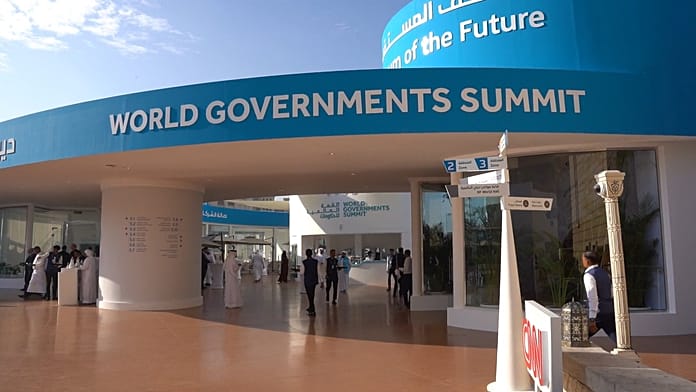
• EU officials called for fast-tracked negotiation of a free-trade agreement with Gulf nations at the World Governments Summit in Dubai on 7 February 2026.
• Latvian Prime Minister Evika Silina stated that Europe should seek new partnerships pragmatically for a market of 500 million people.
• EU’s envoy Luigi di Maio said political talks should intensify this year to overcome a multi-decade impasse.
• Al-Budaiwi, Secretary General of the GCC, indicated that trade could rise to $300 billion annually if a deal is reached.
EU courts Gulf countries for free trade deal as Brussels seeks to counter tariffs
European officials have called for the negotiation of a free-trade agreement between the European Union and Gulf nations to be expedited, aiming to diversify trade ties in light of US tariffs and a surge of Chinese exports. Latvia’s Prime Minister Evika Silina made this statement on Thursday at a panel discussion moderated by Euronews during the World Governments Summit in Dubai, underscoring the importance of new partnerships for a market of 500 million people.
This call for a fast-tracked agreement comes as the EU seeks to mitigate the negative impact of tariffs imposed by US President Donald Trump last year, which has prompted the bloc to explore new markets. The EU has recently finalised significant trade deals with Latin American countries and India in an effort to buffer its economy against external pressures.
EU and Gulf Cooperation Council Discuss Trade Framework
The negotiations concerning the potential agreement will take place within the framework of the Gulf Cooperation Council (GCC), which includes the United Arab Emirates, Saudi Arabia, Qatar, and Bahrain. EU envoy Luigi di Maio confirmed that the institutional framework is now established to facilitate political discussions between the European Commission and the GCC countries, aiming to resolve a multi-decade impasse.
Silina highlighted the EU’s commitment to upholding the rule of law and the importance of environmental clauses in international agreements. Meanwhile, GCC Secretary General Jasem al-Budaiwi indicated that discussions should focus primarily on trade without intertwining political issues. He expressed optimism, suggesting that trade between the two blocs could increase to $300 billion annually if a deal is reached this year, although he assessed the chances of such an agreement at “50-50”.
“