


TL:DR
- Alaa Abd El-Fattah, a British activist imprisoned in Egypt, has reunited with his family in the UK after being released in September.
- He received a presidential pardon, ending a years-long imprisonment for “spreading false news.”
- His family expressed relief and gratitude for his freedom, emphasising global support for his cause.
- Alaa’s case symbolises Egypt’s declining democratic freedoms; many others remain imprisoned for similar offences.
- Activists hope his release will inspire change in Egypt’s treatment of dissenters.
British activist reunited with family in the UK after years behind bars in Egypt | News UK
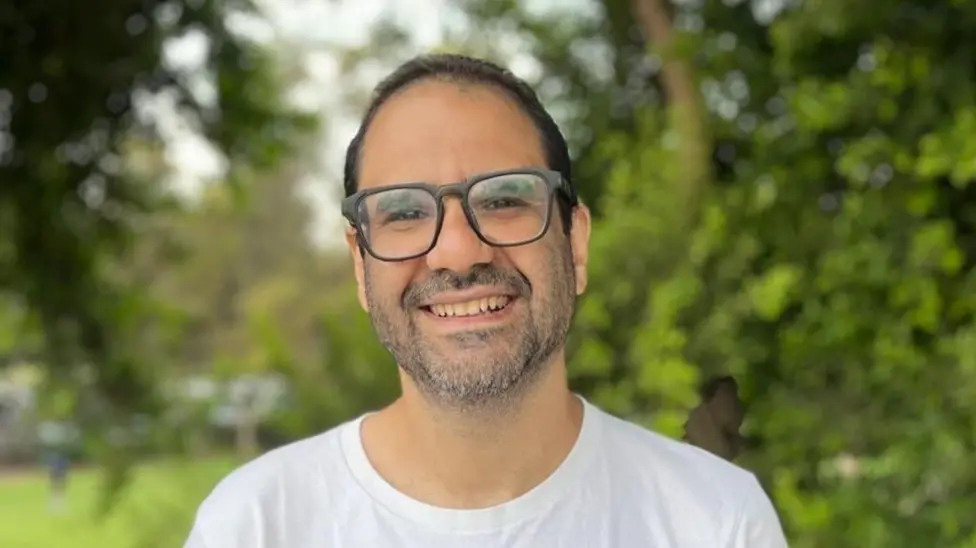
Alaa and his mother are reunited with family in the UK.
A British activist who was imprisoned in Egypt for years has finally been reunited with his family in England. Alaa Abd El-Fattah, a democratic activist who was released from prison in September after receiving a presidential pardon, has reunited with his loved ones in the UK, Sir Keir Starmer said.
Alaa will shortly be reunited with his son Khaled, who is 14 years old and lives in Brighton with his mother, where he attends a special needs school because he is on the autism spectrum. His sister, Mona Seif, said: “I can’t believe it’s finally happened and Alaa has made it to the UK. We thought it was impossible, but here he is. Hundreds of people around the world did so much to help bring this moment about. Alaa is free, and we can finally begin to heal as a family.”
He was first arrested in 2019, before being sentenced to five years in prison on charges of ‘spreading false news’. His imprisonment was branded a breach of international law by UN investigators. Despite being released in September, he wasn’t able to fly home to the UK because of a travel ban as part of his release.
His mum went on a hunger strike to oppose his detention
A top priority for my government
Sir Keir said: “I want to pay tribute to Alaa’s family, and to all those who have worked and campaigned for this moment. Alaa’s case has been a top priority for my government since we came to office. I’m grateful to President Sisi for his decision to grant the pardon.”
His detention, which began with his 2014 arrest for taking part in an unauthorised protest, became a symbol of Egypt’s shrinking democratic freedoms after the Arab Spring. He spent much of the last 10 years in Wadi Natrun Prison, with only a brief release in 2019 before being detained again in a wider security crackdown. On Monday, President Abdel-Fattah El-Sisi pardoned him along with five others, after the National Council for Human Rights urged clemency.
At the time of his release in September, human rights campaigner Bill Browder told WTX News: “It’s a huge relief that Alaa Abd El-Fattah has been released. He was a hostage of the Egyptian government who should have never spent a day in jail. He and his family can now heal and recover from this terrible nightmare.”
Amr Magdi, a senior researcher in the Middle East and North Africa at Human Rights Watch, said that while he was celebrating Alaa’s pardon, thousands of others remain behind bars due to their public views. He hopes this could act as a watershed moment for the government to end the wrongful detention of thousands of peaceful critics.