



Get you up to speed: Member states must not betray the ICC
The International Criminal Court (ICC) is in jeopardy as member states are reportedly considering changes to the Rome Statute influenced by the Trump administration. Dutch Foreign Minister Tom Berendsen has confirmed the Netherlands is in negotiations with the US regarding this matter, although he did not provide further details.
The International Criminal Court (ICC) is currently investigating possible war crimes and crimes against humanity in Gaza and the occupied West Bank, with ongoing scrutiny of its jurisdiction influenced by the US. Additionally, the Trump administration has set a six-month “grace period” for member states to respond to its demands regarding the Rome Statute before sanctions are implemented.
Amnesty International Secretary General Agnes Callamard has cautioned that ICC member states are considering a “dangerous step” towards engaging with the Trump administration, raising alarms about the potential alteration of the Rome Statute. The Trump administration has granted a six-month “grace period” for member states to show “meaningful progress on diplomatic and legal resolutions,” which raises concerns about the future independence of the ICC as it grapples with external pressures.
What remains unclear — Details regarding the negotiations between the Netherlands and the US about potential amendments to the Rome Statute have not been disclosed.
Member states urged to uphold ICC amidst US pressure for Rome Statute changes
OPINIONOPINION, Opinion|ICCMember states must not betray the ICC
Succumbing to US pressure to change the Rome Statute would be devastating for international justice.
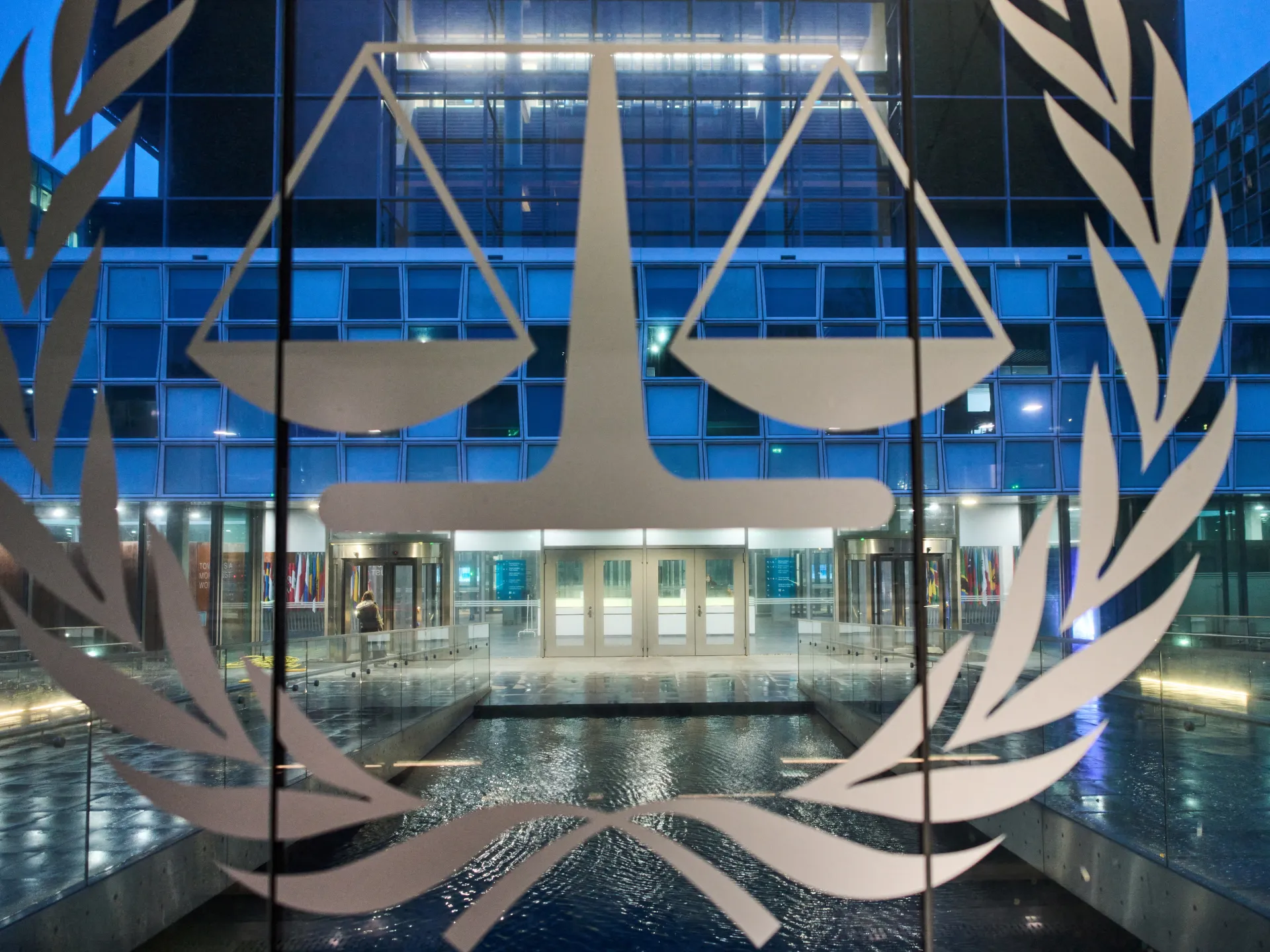
The International Criminal Court (ICC) is in danger of being hollowed out. There are growing signs that its member states are preparing to change the Rome Statute, which governs the court, to meet the demands of US President Donald Trump.
Amnesty International Secretary General Agnes Callamard recently warned that ICC member states are undertaking “a dangerous step towards ‘constructive dialogue’ with the Trump administration”. Dutch Foreign Minister Tom Berendsen has acknowledged that the Netherlands, which hosts the ICC, is engaged in negotiations with the US, but has refused to provide details.
The Trump administration has given a six-month “grace period” before implementing crippling sanctions on the ICC, framing it as a chance for member states “to demonstrate meaningful progress on diplomatic and legal resolutions”.
What the US wants is for the Rome Statute to be amended to ensure that no citizen of a state that has not joined the court can ever be subjected to its jurisdiction, regardless of where their crimes are committed. This flies against the principle that the ICC can investigate anyone if they commit war crimes, crimes against humanity, or genocide on a territory the court has jurisdiction over.
Members of the Trump administration have periodically claimed that US attacks on the ICC are intended to protect Americans from falling under the court’s scrutiny. But that hasn’t happened and isn’t the case now. ICC judges recently decided to end an investigation into alleged US crimes committed in Afghanistan, yet another signal that US citizens are not at risk of investigation by the ICC – even if there are grounds to believe they should be.
According to Callamard, the US also demands that heads of state are granted immunity from prosecution by the court and that the investigation into the situation in Palestine is dropped. Currently, the court is investigating not just possible war crimes and crimes against humanity committed in Gaza, but also atrocities committed in the occupied West Bank.
It would take more than a few states to change the ICC’s jurisdiction, but it is notable that none of the 125 member states has come out and explicitly stated that the Rome Statute is not up for negotiation – especially when the court and its supporters are being held over a barrel by the Trump administration.
Accepting American terms would be as damaging to the international justice system as any ICC sanctions Washington could muster. If US efforts to destroy the court – via sanctions or neutered jurisdiction – succeed, those who would benefit the most would be perpetrators of some of the worst crimes we have seen in the past few decades.
Those include first and foremost, Israeli Prime Minister Benjamin Netanyahu. It is for “Bibi”, more than anyone, that the US has gone all-out in its ambitions to crater the ICC. Trump has made that much clear, openly stating that the sanctions against the court weren’t about protecting American citizens, but Netanyahu.
If Trump is successful, the Israeli prime minister – who faces charges of war crimes and crimes against humanity over his prosecution of the war in Gaza – will enjoy impunity. Israel is not a member state, but Palestine is, which is what allowed the Court to take action against the Israeli prime minister.
The ICC’s investigations into Palestine are something of a litmus test for the institution’s independence and impartiality, and its ability to speak truth to power. If it is forced to drop the warrants it has already issued for atrocity crimes committed in Gaza, many will conclude that the court is operated in line with the narrow interests of the powerful and not the law or the needs of victims and survivors.
Another immediate beneficiary of the gutting-out of the ICC would be Russian President Vladimir Putin. The Trump administration has long been interested in currying favour with the Kremlin, despite the fact that its leader faces an ICC arrest warrant for abducting Ukrainian children and giving them to Russian families. Indeed, at the recent ASEAN conference, Trump openly offered to work with Putin to attack the ICC.
That warrant was made possible because Ukraine accepted the jurisdiction of the ICC. But if the US campaign against the court succeeds, Putin’s warrant will evaporate, since Russia is not a member state.
Then there are Myanmar’s junta leaders. It is well established that Myanmar’s military committed a litany of atrocities against the Rohingya minority in what many states – including the United States – officially consider genocide. Last week, the International Court of Justice also found that Myanmar carried out a genocide against the Rohingya, concluding that this was the “only reasonable inference” that could explain Myanmar’s actions towards the Muslim minority.
In 2024, the ICC Prosecutor applied for a warrant for Myanmar’s Senior General and Acting President Min Aung Hlaing, alleging he committed the crimes against humanity of forced deportation and persecution against the Rohingya.
Myanmar is not a member-state of the ICC. But Bangladesh, where many Rohingya were forcibly displaced to, is what gave the court jurisdiction. If Trump achieves his goal of castrating the court, Min Aung Hlaing and other suspected genocidaires in Myanmar won’t ever have to worry about facing justice in The Hague.
This is all bad enough. But it is not just that those who have already committed atrocities that will be let off the hook if the US campaign against the ICC succeeds. New perpetrators will also be emboldened. While the court has not been able ensure that the warrants against Netanyahu, Putin or Min Aung Hlaing are enforced, what would the likes of these atrocity perpetrators do if they knew that no court would ever hold them to account for their crimes?
There’s no straight line between the ICC’s actions and the deterrence of international crimes. But a world without legal consequences for atrocities is one in which violence, death, and destruction become the international system’s normal function rather than its failure.
ICC member states should therefore reject any negotiation with the US that would weaken the court’s jurisdiction and instead double down on protecting it from the impacts of sanctions. Washington alone cannot destroy the ICC. It needs the cooperation of the court’s member states to achieve their aims. Those states must not cave in.
The views expressed in this article are the author’s own and do not necessarily reflect WTX News’s editorial stance.