



European Commission delays proposal to ban Russian oil imports amid market tensions
The European Commission has postponed the proposal to permanently ban Russian oil imports amid ongoing tensions with Hungary and Slovakia.
The European Commission reiterated its commitment to ban Russian oil imports despite the delay, emphasising it does not signify a shift in policy.
However, the Commission’s proposal to permanently ban Russian oil imports, initially set for 15 April, has been delayed indefinitely without a new announcement date.
Briefing summary
The European Commission has postponed the proposal for a permanent ban on Russian oil imports, originally set for 15 April, as the Middle East crisis impacts energy markets.
US sanctions on Russian oil have been relaxed, causing outrage in Europe, while officials affirm that this delay does not signify a policy shift on energy dependency.
Hungary and Slovakia continue opposing the proposed ban, having initiated legal action against previous gas restrictions, and contesting claims about the Druzhba pipeline being politicised.
EU delays proposal to ban Russian oil amid Iran war, price spikes and Druzhba row
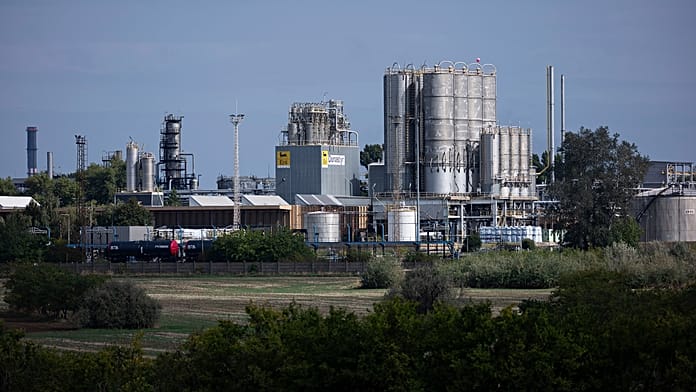
The European Commission has delayed the presentation of a highly anticipated proposal to permanently ban the imports of Russian oil, as the war in the Middle East continues to send shockwaves across energy markets and keep the Brent barrel over $100.
It also comes amid a tense standoff with Hungary and Slovakia, the only two member states that still buy Russian oil, over the Soviet-era Druzhba pipeline.
The legislation, which is part of the REPowerEU roadmap, was tentatively scheduled to be unveiled on 15 April, but the date has now been removed from the calendar.
“I do not have a new date to give,” Anna-Kaisa Itkonen, the Commission’s spokesperson for energy, said on Tuesday morning.
“What I can reassure you of is that we remain committed to making this proposal.”
In a bid to calm jittery markets, the US has eased sanctions on Russian oil, prompting outrage and dismay among Europeans.
The Commission insisted the change in timing did not mean a change in policy.
“The proposal will be made,” Itkonen said.
Quoting the words of Commission President Ursula von der Leyen, the spokesperson warned that a return to Russian fossil fuels after the war in Ukraine comes to an end would be a “strategic blunder”.
Hungarian-Slovak opposition
The now-delayed legislation is considered energy rather than foreign policy, so it only requires a qualified majority to be approved. Brussels believes the permanent ban will prevent vetoes in the future and close off remaining loopholes.
Hungary and Slovakia have already launched legal action against the gas ban and have threatened to do the same if the proposal on oil moves ahead.
The two landlocked countries are currently embroiled in a bitter dispute with Ukraine over the Druzhba pipeline, which carries low-cost Russian crude through Ukrainian territory to Central Europe.
But Budapest and Bratislava contest this argument, claiming the pipeline is deliberately shut down for “political reasons” ahead of the Hungarian elections on 12 April.
The row over Druzhba has paralysed a €90 billion loan for Ukraine.