



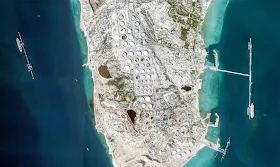
Media Lens: US Strikes Iran’s Kharg Island: Implications for Oil Supply and Security
The U.S. has reportedly struck Kharg Island, a key hub for Iran’s oil economy. This action follows escalating tensions between the U.S. and Iran regarding military activities in the region.
Quick links:
What has happened |
Confirmed details |
What remains unclear |
One story, four angles |
What’s missing |
Related links
What has happened
The United States recently conducted military strikes on Kharg Island, Iran’s key oil export hub. These strikes have significant implications for Iran’s oil economy, prompting a swift response from Iranian officials. The U.S. action appears to be part of an ongoing strategy to weaken Iran’s oil exports amid increasing tensions in the region.
Sources indicate that these strikes are aimed at crippling Iran’s oil infrastructure, which plays a crucial role in its economy. The situation escalates amidst broader geopolitical tensions, including threats from Iranian authorities regarding potential blockades in the Strait of Hormuz, a vital shipping route for oil tankers.
Confirmed details
- The United States conducted military strikes on Kharg Island, a vital oil export hub in Iran.
- Kharg Island is crucial for Iran’s oil economy, serving as a key point for oil exports.
- The strikes were part of escalating tensions between the U.S. and Iran.
- Military assets on the island were specifically targeted in the operation.
- This event is part of a broader context of recent hostilities in the region.
What remains unclear
- The specific details regarding the extent of damage caused by the US strike on Kharg Island are unclear.
- The exact motivations behind the US’s decision to strike Kharg Island remain unspecified.
- It’s uncertain how Iran will respond to the attack and what implications it may have for regional stability.
- The impact of the strike on global oil prices has not been clearly detailed.
- The potential repercussions on US-Iran relations following the incident are not explicitly outlined.
- There is ambiguity regarding the communication from US officials about the intended outcomes of the strike.
One story, four angles
The Washington Post – Trump says U.S. struck Kharg Island, core of Iran’s oil economy
Publication: The Washington Post | Primary framing pattern: Conflict-led | Tone register: Urgent | Intensity level: High (8/10) | Sentiment: -0.6 | Legal precision: High
Expand
Espresso Shot:
The Washington Post frames the U.S. military action against Iran as a critical conflict involving national security, emphasizing the strategic significance of Kharg Island.
Quote unavailable (paywall/limited preview).
Framing analysis:
The article positions the U.S. strike within a broader narrative of escalating tensions in the region, heightening the sense of urgency regarding international security.
Bias:
Selection: Focuses solely on U.S. military actions.
Language: Uses stark language highlighting “struck” and “core.”
Omission: Limited insights from Iranian perspectives or responses.
Assessment:
Overall, the article presents a polarised view of the conflict, prioritising U.S. interests while downplaying other perspectives.
CNN – Live updates: Iran war news; US strikes military assets on Kharg Island oil export hub
Publication: CNN | Primary framing pattern: Conflict-led | Tone register: Informative | Intensity level: Medium (6/10) | Sentiment: -0.2 | Legal precision: Medium
Expand
Espresso Shot:
CNN provides real-time updates on the U.S. strikes, emphasising the operational aspects of the military action without delving deeply into its implications.
Quote unavailable (paywall/limited preview).
Framing analysis:
The coverage adopts a straightforward reporting style, focusing on the actions taken and immediate reactions, which maintains a degree of neutrality.
Bias:
Selection: Emphasises military developments.
Language: Describes actions as “strikes” and “military assets.”
Omission: Lacks historical context or broader implications of the U.S. action.
Assessment:
Overall, the update prioritises factual reporting over analytical depth, resulting in a somewhat surface-level understanding of the event’s significance.
CBS News – Why is Kharg Island important? What to know about the Iranian island struck by the U.S.
Publication: CBS News | Primary framing pattern: Legality-led | Tone register: Explanatory | Intensity level: Medium (5/10) | Sentiment: 0.1 | Legal precision: Medium
Expand
Espresso Shot:
CBS News contextualises the significance of Kharg Island in the realm of international trade and legality, examining its role in Iran’s oil economy following the U.S. strikes.
Quote unavailable (paywall/limited preview).
Framing analysis:
The coverage invites readers to consider the legality and ramifications of U.S. actions within a broader economic context, shifting the narrative beyond mere conflict.
Bias:
Selection: Focuses on Kharg Island’s importance.
Language: Utilises analytical terms like “importance” and “legality.”
Omission: Limited coverage of Iranian reactions or perspectives.
Assessment:
The article effectively frames the narrative through an investigative lens but still lacks a thorough exploration of the opposing viewpoint.
The New York Times – Iran War Live Updates: Iran Defies Trump’s Threats Over Strait of Hormuz Blockade
Publication: The New York Times | Primary framing pattern: Conflict-led | Tone register: Analytical | Intensity level: High (9/10) | Sentiment: -0.7 | Legal precision: High
Expand
Espresso Shot:
The New York Times covers the situation with a strong focus on the implications of Iranian resistance to U.S. threats, emphasising geopolitical stakes.
Quote unavailable (paywall/limited preview).
Framing analysis:
The article interprets Iran’s actions as a direct challenge to U.S. authority, invoking a narrative of escalating conflict in a volatile region.
Bias:
Selection: Highlights Iranian defiance against the U.S.
Language: Utilises terms like “defies” and “blockade.”
Omission: Lacks a broader examination of U.S. foreign policy motivations.
Assessment:
The piece presents a highly charged perspective, significantly framing the narrative around escalating tensions without accounting for diplomatic avenues.
What’s missing across coverage
- Context on regional tensions involving Iran and the United States.
- Impact of the strike on global oil markets and prices.
- Details of Kharg Island’s strategic significance beyond oil production.
- Reactions from international bodies or other nations regarding the event.
The framing of recent headlines reflects varying legal and diplomatic pressures surrounding the situation in Iran. The Washington Post emphasises the significant legal implications, framing the event as a critical strike on Iran’s economic backbone, which could prompt considerable scrutiny from international entities. CNN, on the other hand, leans towards more escalatory framing with its focus on ongoing live updates regarding potential military actions, suggesting an immediate state of conflict. CBS News takes a more analytical approach, prioritising the strategic importance of Kharg Island, hinting at potential diplomatic ramifications. The New York Times highlights Iran’s defiance within this context, signalling potential resistance to international diplomatic efforts. This consequence-led framing can amplify market anxiety and escalate diplomatic tensions, providing ammunition for critics and demands for accountability from governments and global organisations. The facts do not change. What changes is where scrutiny lands.
Related links
The Washington Post
Trump says U.S. struck Kharg Island, core of Iran’s oil economy
CNN
Live updates: Iran war news; US strikes military assets on Kharg Island oil export hub
CBS News
Why is Kharg Island important? What to know about the Iranian island struck by the U.S.
The New York Times
Iran War Live Updates: Iran Defies Trump’s Threats Over Strait of Hormuz Blockade