



What’s the Latest: Vancouver’s illegal rental houses reminiscent of Hong Kong’s coffin apartments
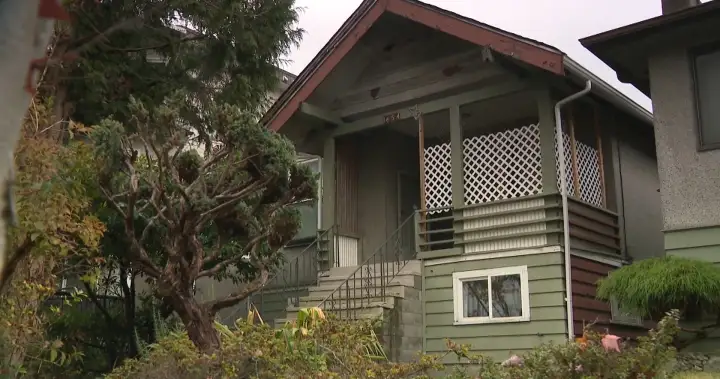
Landlords in East Vancouver have been fined $90,000 for illegally subdividing a single-family home into a rooming house with at least 17 tenants. A July 2025 inspection revealed the property had been transformed into 21 rooms with multiple unauthorized plumbing fixtures.
The City of Vancouver issued an order to vacate the property in August 2025, following inspections that revealed multiple violations related to health and safety regulations. The Residential Tenancy Branch determined the landlords failed to address urgent repairs and imposed fines totalling $90,000 for their compliance failures.
Vancouver city councillor Stephanie Smith expressed disappointment over the prevalence of illegal rooming houses, noting that such practices are not isolated incidents but part of a broader issue across the city. In response, local experts, including Andy Yan from Simon Fraser University, have called for stricter regulations to prevent landlords from treating fines as a cost of doing business.
What remains unclear — It is not specified how many other illegal rental properties exist in Vancouver beyond the identified case.
Vancouver’s illegal rental properties compared to Hong Kong’s coffin apartments
The issue of overcrowded and illegal rental properties in East Vancouver has been highlighted by the case of a rental home that had been subdivided into a rooming house with 21 rooms and at least 17 tenants. This situation has raised concerns about violations of health and safety regulations. Kristen Robinson reports that landlords in the area are reportedly disregarding these regulations with similar practices.
Stephanie Smith, a newly elected city councillor and former advocate for tenants, expressed disappointment at the $90,000 fine given to these landlords following the emergency order to vacate. “The practices that I saw described in this decision are regrettably practices that I have seen elsewhere,” Smith remarked. An inspection revealed that the home had undergone significant unpermitted renovations, including additional bathrooms and plumbing fixtures.
The Residential Tenancy Branch found that the landlords failed to maintain the property in compliance with housing standards and had not completed urgent repairs. They were fined $85,000 for the first violation and an additional $5,000 for subsequent breaches. Despite the severity of the fines, Smith noted that they may not be sufficient as they only represent a fraction of the property’s revenue potential.
Andy Yan, director of Simon Fraser University’s city program, compared Vancouver’s illegal rooming houses to Hong Kong’s coffin apartments, which consist of small wooden boxes serving as living spaces. “This is a scene that actually is something out of Vancouver’s past from the 1800s,” he stated, reflecting on how such practices echo historical housing concerns.
Both Smith and Yan underscored the imperative for local governments to establish stricter regulations and enforcement to deter landlords from viewing fines as merely a cost of doing business. The ongoing situation in Vancouver illustrates broader issues regarding affordable housing and tenant rights in high-demand urban areas.