
Latest News
- Could Kansas elect its first Democrat to the Senate in 91 years?
- New legislation to make sex education compulsory for all under-18s
- Protester dies after collapsing during nationwide demonstrations in France
- Macron vows to hold accountable those responsible for France’s unrest
- Kenya reports eighth Ebola case linked to initial patient as outbreak spreads
- Fire risk deemed low before unexpected wind shift ignited deadly blaze, CAF memo reveals
- Far-right AfD gains unsettle German business as Italy runs out of Fuel as clashes continue
- Trump to close historic DC golf course for 15-month renovation project



Could Kansas elect its first Democrat to the Senate in 91 years?
President Trump will resume his campaign activities on Monday in Kansas, where recent polls indicate Republican Senator Roger Marshall is one point behind Democrat Adam Hamilton. The midterm elections are approaching, intensifying the political landscape in the state. Caitlin Huey Burns reports.

New legislation to make sex education compulsory for all under-18s
Faustine Petron, now 26, aims to raise awareness about abusive relationships and advocate for mandatory Relationships and Sex Education up to age 18. Her campaign, supported by MPs and advocacy groups, highlights the need for education as young people face increased relationship pressures and risks of domestic abuse.

Protester dies after collapsing during nationwide demonstrations in France
A protester has died during France’s largest demonstration in years, which escalated into riots and looting amid widespread anger over rising living costs.

Macron vows to hold accountable those responsible for France’s unrest
French President Emmanuel Macron condemned recent riots and looting across major cities, asserting that those responsible for the unrest will be held accountable. He urged politicians to reject violence and highlighted the distinction between peaceful protests and chaotic actions amid heightened tensions ahead of next year’s presidential election.
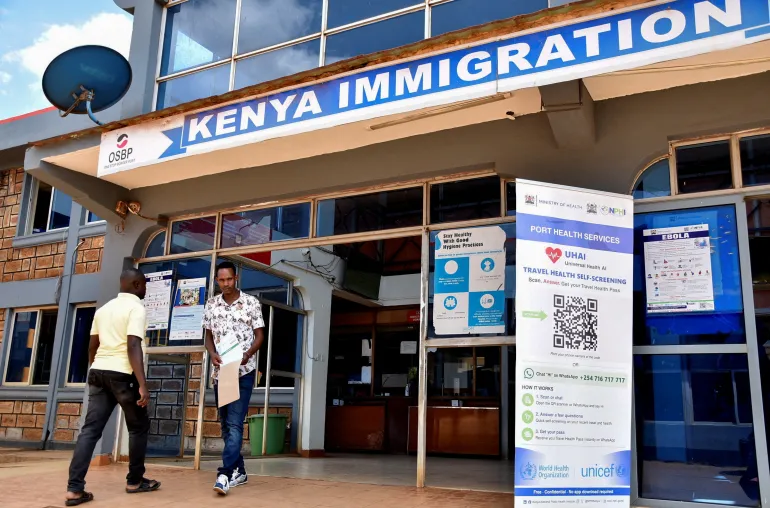
Kenya reports eighth Ebola case linked to initial patient as outbreak spreads
Kenyan health authorities confirmed an eighth Ebola case, linked to the country’s first case identified earlier this month. The latest patient, a 49-year-old man, exhibited symptoms after working as a patient attendant and has been quarantined. The outbreak, involving the Bundibugyo strain, has spread from the Democratic Republic of the Congo.

Fire risk deemed low before unexpected wind shift ignited deadly blaze, CAF memo reveals
Soldiers undertook training exercises in preparation for their deployment to Latvia in April and May, aimed at reinforcing the local brigade ahead of upcoming operations.