



What’s the Latest: Saskatoon transportation committee defers expropriating land talks for BRT stations
Saskatoon’s transportation committee has deferred discussions regarding land expropriation for Bus Rapid Transit (BRT) stations due to stalled negotiations with landowners at six sites. The committee decided to allow for further consultation with the property owners, while city administrators indicated they would begin outreach as soon as Wednesday.
The transportation committee will reconsider land acquisition options for Bus Rapid Transit (BRT) stations at its next meeting in early December, following a deferral prompted by ongoing negotiations with property owners. Construction of the BRT system, which includes 94 stations, began in September 2024, with 41 stations completed and an expected launch of the system in 2028.
Saskatoon’s transportation committee has postponed discussions on expropriating land for Bus Rapid Transit (BRT) stations, following stalled negotiations with landowners; city administrators will reach out to the property owners starting Wednesday. The committee will reassess the issue at its next meeting in early December, with assurances that this deferral will not significantly delay the overall BRT project scheduled for launch in 2028.
What remains unclear — It is not clear how the city plans to address the concerns raised by business advocates regarding safety and access at the planned BRT station sites.
Saskatoon transportation committee postpones land expropriation talks for BRT stations
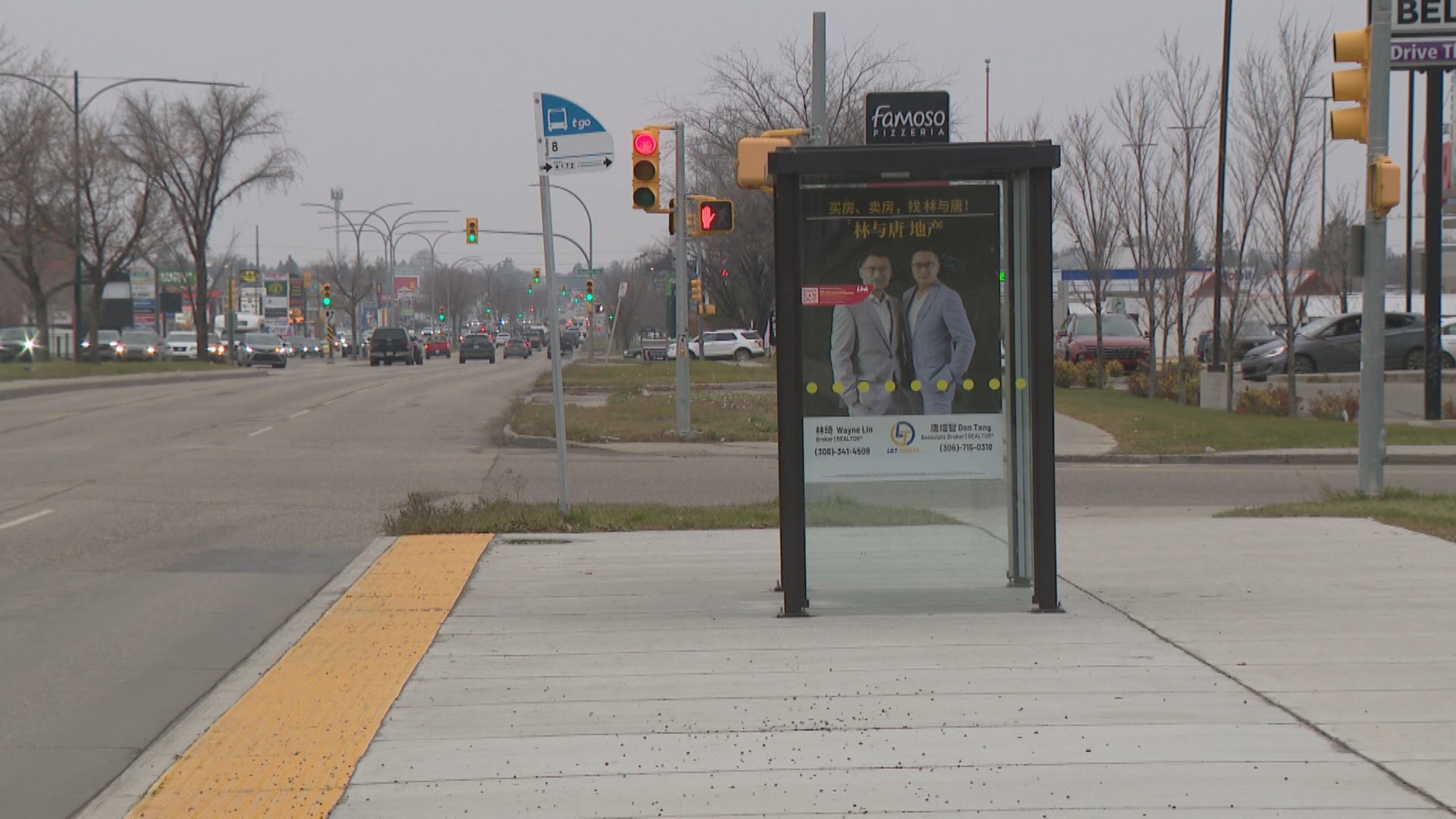
Saskatoon’s transportation committee has deferred discussions on land expropriation required for the construction of Bus Rapid Transit (BRT) stations due to ongoing negotiations with landowners. The decision follows recommendations from city administrators who have identified the need for more property to accommodate the new bus platforms, which include concrete pads and electrical infrastructure.
Terry Schmidt, the city’s transportation and construction general manager, indicated that consultations began in 2024, during which the city acquired ten properties with an expectation to purchase five more. Schmidt noted, “Talks with landowners at six sites have stalled. Many do not want to sell, while others have stopped responding.” The proposed parcels range in size from 30 to 57 square metres, with four located on 22nd Street West and two on 8th Street East.
At the meeting, Karen Kobussen, CEO of the Saskatoon West Business Association, expressed concerns regarding access and potential social issues related to bus stations. She remarked, “Businesses shared concerns about general access alongside loitering, littering and traffic safety,” emphasising that solutions had not been effectively addressed by the city. Henry Chan, also representing the association, characterised the city’s approach to expropriation as “heavy-handed,” questioning whether all options had been sufficiently explored.
Schmidt explained that potential alternatives, such as building stations on city-owned land, were considered substandard, lacking the necessary amenities for transit users. Council member Robert Pearce, who motioned for the deferral, referred to expropriation as a “nuclear response” and requested more time for outreach to landowners. “We need to assess whether there is a desire to continue negotiations,” he stated.
The committee plans to reconvene at the beginning of December to further evaluate the situation, with Schmidt stating that this delay will not jeopardise the overall BRT project timeline, which anticipates completion of the BRT system by 2028. Construction of 94 BRT stations commenced in September 2024, with 41 completed and an additional 14 expected to finish by year-end.