
Latest News
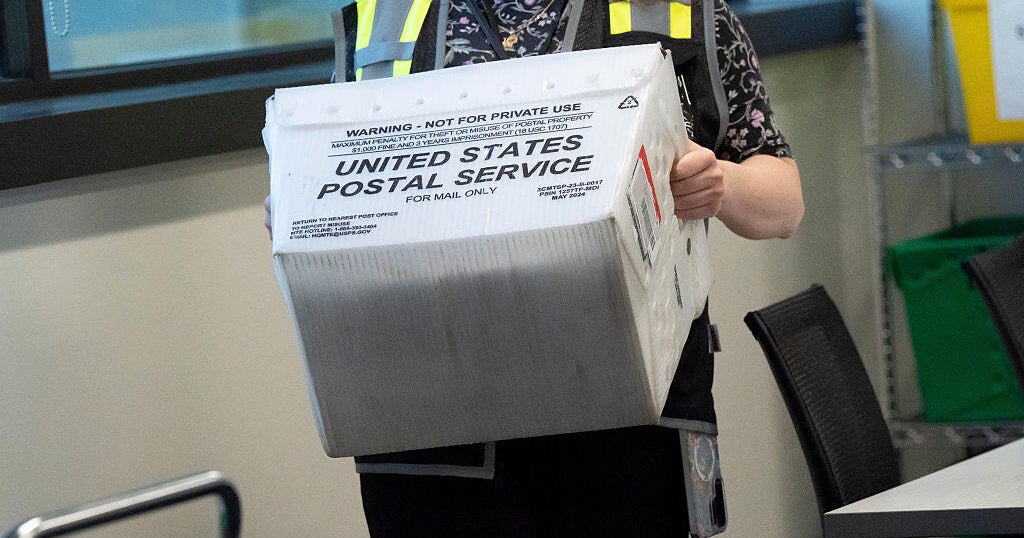
- Feds investigate suspicious letters sent to election officials and Congress
- US military considers deploying MOAB against Iranian energy and nuclear sites
- Ukraine resumes strikes on Russian oil refineries amid comments from Zelenskyy
- US-Iran stalemate raises questions about Trump’s potential military options
- Kenora residents welcome permanent daylight time decision by provincial government
- U.S. Justice Department orders California to review potential noncitizen voters
- UK government announces new plans to tackle illegal migration: how coverage differs.
- London Underground faces severe delays due to signal issues during rush hour



Al-Farouq Mosque was reduced to rubble last night by the israelis during their invasion of Qizan al-Najjar near Khan Younis city, in southern Gaza

Britain should be proud of our history ending the slave trade.
But instead Slippery Starmer and Loony Lammy will equivocate and eventually capitulate over reparations, destroying our economy and denying our history.
Because what the woke really want to do is destroy the west.

🚨⚪️ Ancelotti: “We can say that Vini will be the next Ballon d’Or, no doubts”.
“Vinicius will win the Ballon d’Or, for me it’s very clear and there can’t be anyone else winning it”.
Get you up to speed: US considers using the Mother of All Bombs against Iran – how powerful is it? | News Tech
The US military is reportedly considering the use of the Massive Ordnance Air Blast (MOAB) weapon against Iran’s energy infrastructure and nuclear sites. The plans involve President Donald Trump, who faces pressure over the ongoing conflict, although no attack has been ordered and the White House has not confirmed the use of the MOAB.
The GBU-43/B Massive Ordnance Air Blast bomb, developed during the Iraq War, stands as the US military’s most powerful non-nuclear weapon, capable of creating a blast wave that extends for a mile. While no official order for deployment has been given, discussions continue regarding the bomb’s potential use against Iranian targets, with implications for a possible military withdrawal from the region before the US midterm elections.
The White House has not confirmed any plans to deploy the MOAB in Iran, but discussions among Trump’s advisers indicate a desire for a “definitive” end to the conflict, especially ahead of the midterm elections. As the US military continues to evaluate its strategy, pressure mounts from Republican voters regarding the ongoing war and the lack of a clear path to resolution.
What remains unclear — It is uncertain whether President Trump has definitively ruled out further military action before the midterm elections.
US military considers deploying MOAB against Iranian energy and nuclear sites

The Massive Ordnance Air Blast (MOAB) weapon is reportedly being considered for use in Iran (Picture: Reuters)
The US military has drawn up plans to potentially unleash the ‘mother of all bombs’ on Iran’s energy infrastructure and nuclear sites if Donald Trump gives the order to resume combat, according to reports.
The proposed strikes would mark a major escalation in the conflict, with the US potentially deploying its largest non-nuclear bomb for the first time in its war against Iran.
It comes as the president faces growing pressure to end the war, which has now gone on for more than six months.
The proposed bomb is the GBU-43/B Massive Ordnance Air Blast bomb, which is also known as the MOAB, according to multiple US officials who told CNN.
How powerful is the Mother of All Bombs?
It is the US military’s most powerful non-nuclear bomb.
The blast wave stretches for a mile in every direction and is created by 18,000lb of TNT.
It is 30ft in length and costs $16,000,000 to build.
For scale, the yield of the atom bomb dropped on Hiroshima had a yield of about 15,000 tonnes of TNT.
Russia’s Father of All Bombs (FOAB) is claimed to be the most powerful non-nuclear weapon in the world with a blast yield of 44 tonnes of TNT.
The weapon, which weighs nearly 1,000kg, is one of the most powerful conventional bombs in America’s arsenal, but officials have reportedly questioned whether deploying it would change the course of the conflict.
Sign up for all of the latest stories
The bomb is said to be capable of destroying a large surface area, but it likely lacks the capability to penetrate deep enough under the surface to destroy suspected nuclear facilities.

The GBU-43/B, also known as the Massive Ordnance Air Blast, detonates during a test in Florida in 2003 (Picture: Getty)

President Donald Trump is facing growing pressure to end the unpopular war (Picture: Getty)
One source said the plans referred to launching the attacks before a US military withdrawal from the region, potentially allowing the administration to declare victory before pulling out.
Another source said plans for strikes against Iranian nuclear facilities, including the underground site known as Pickaxe Mountain, also explicitly included the possible use of the MOAB.
With the US midterm elections approaching, Republicans are also bracing for a potential backlash from voters over the conflict.
Despite months of American bombing, there is little sign of a negotiated settlement between Washington and Tehran.
US officials have privately questioned whether the White House has a wider strategy linking its military plans to a clear route out of the war.
Trump and his advisers have spent months discussing options that could provide what they describe as a ‘definitive’ end to the conflict, particularly as opposition among American voters has grown.

The weapon is one of the most powerful conventional bombs in America’s arsenal (Picture: AP)
The president has also reportedly rejected suggestions from some allies that he should simply withdraw American forces, arguing that doing so could look like a defeat.
Although Trump has publicly said he would not take further military action before the midterm elections, advisers have privately questioned whether that position is final.
The White House has not publicly confirmed that the MOAB will be used, and the reported plans do not mean an attack has been ordered.
However, the bomb, which was developed during the Iraq War and first deployed by Trump during his first term when he authorised the military to bomb ISIS positions in Afghanistan in 2017, could be used for ‘psychological operations’.
Comment now
Comments
Add WTX as a Preferred Source on Google
