
Latest News
- Family of girl injured in car accident voices frustration with ICBC and care access
- Two California firms acquiring Nvidia chips are controlled by Chinese owners
- Russian man found living in Thai jungle for 19 years after illegal entry
- Army detonates lead azide stockpile in Iowa amid safety concerns
- Saskatoon city council approves 5.26% property tax increase for 2027 budget
- Army plans to resume helicopter training flights near Washington, D.C. airport
- Britons spend average of £30 on Christmas presents for pets despite cutbacks
- British tourist hides in tree stump as elephants attack hikers on Mount Cameroon



Family of girl injured in car accident voices frustration with ICBC and care access
A Burnaby mother is voicing her frustrations with ICBC’s no-fault insurance after her daughter Makenna, who sustained a severe brain injury in a May accident, struggles to access necessary care. While ICBC covers some rehabilitation, the family faces financial strain, with Makenna’s mother reporting inadequate support for around-the-clock care.

Two California firms acquiring Nvidia chips are controlled by Chinese owners
Nvidia is reportedly selling advanced chips to two US-based companies controlled by Chinese firms, despite export restrictions. One entity, RiCloud AI, is linked to a parent company with connections to the Chinese military. This raises concerns over the transfer of sensitive technology to China.

Russian man found living in Thai jungle for 19 years after illegal entry
A Russian man who had been living in a Thai jungle for 19 years has been discovered by tourists and detained by authorities for illegal residency.
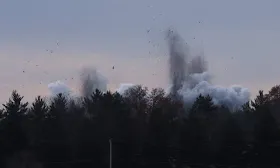
Army detonates lead azide stockpile in Iowa amid safety concerns
What’s happening?
The U.S. Army has detonated a stockpile of unstable lead azide at a facility in Iowa to mitigate safety risks. This controlled detonation involved 9,500 pounds of the hazardous material and aimed to prevent potential accidents during ongoing clean-up efforts.
In comparing coverage, WQAD reports, “Latest maps provided by US Army show potential locations of lead exposure during Wednesday’s controlled detonation,” emphasizing geographic data and potential public health implications. Conversely, The New York Times headlines, “After Extraordinary Iowa Blast, Officials and Scientists Assess Fallout Risks,” which focuses on the response and evaluation of the explosion’s consequences. While WQAD centers on preventive measures related to lead exposure, The New York Times highlights the immediate aftermath, illustrating a shift from proactive safety to reactive analysis of environmental impacts.
Coverage analyzed: WQAD | The New York Times | PBS | Axios

Saskatoon city council approves 5.26% property tax increase for 2027 budget
Saskatoon city council has approved a 5.26% property tax increase for the 2027 budget, resulting in an additional £133.21 annually for the average resident with a home valued at £394,200. The decision follows cost-saving measures and adjustments for lower provincial revenue sharing.

Army plans to resume helicopter training flights near Washington, D.C. airport
The U.S. Army may resume helicopter training flights near Reagan National Airport as early as December 1, following a deadly midair collision in January 2025 that resulted in 67 fatalities. The FAA has not yet received a formal request to restart these flights, which require agency approval.


