



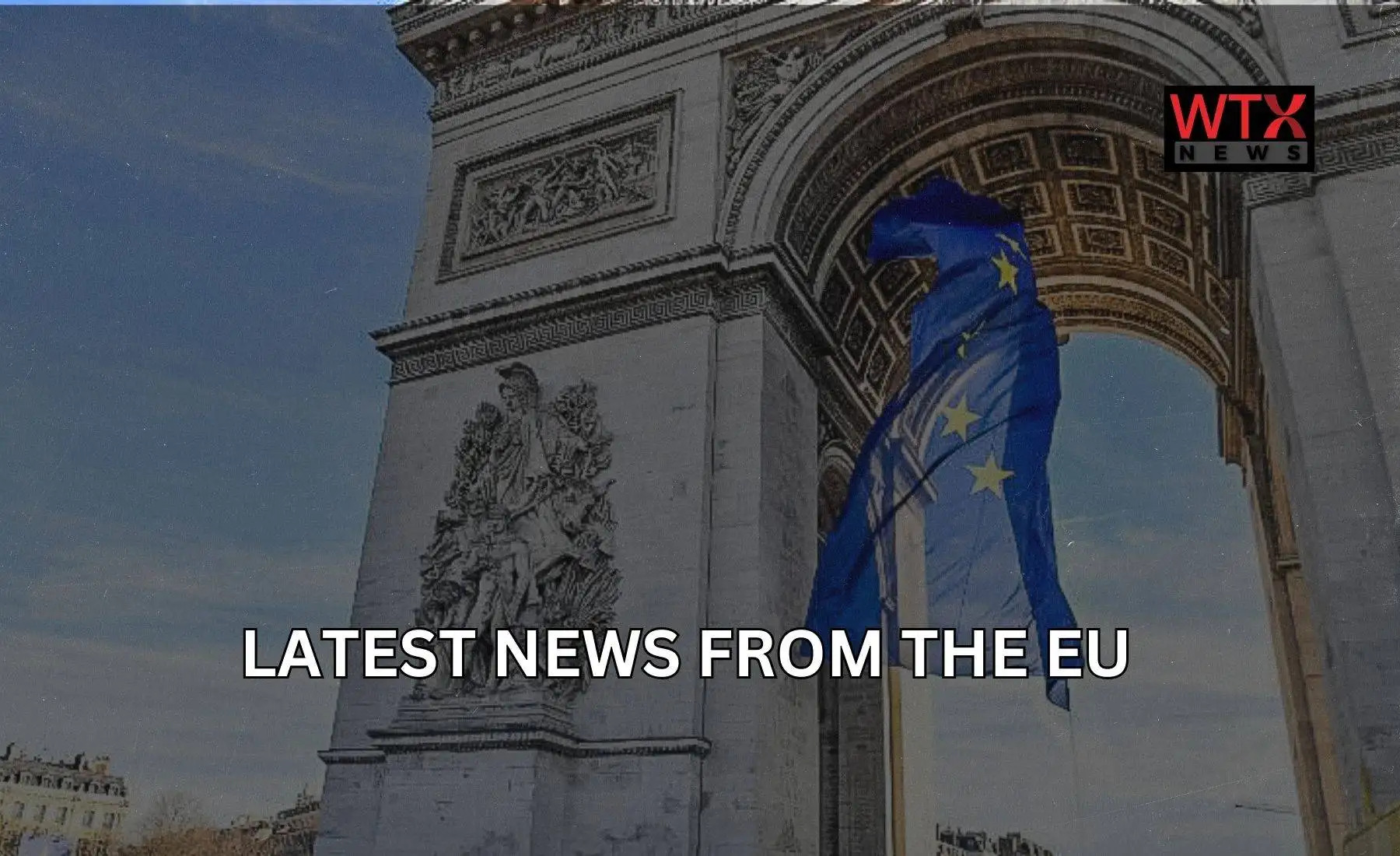
EU leaders discuss mutual defence strategy amid growing NATO concerns.
EU member states are reportedly considering a mutual defence pact amid rising concerns about NATO’s reliability, particularly as the ongoing conflict in Ukraine escalates. European leaders are addressing the need for strategic autonomy, following a high-level meeting where EU foreign policy chief Josep Borrell outlined plans for a coordinated security strategy. This comes as the bloc grapples with its security structure and the impact of US policy under the Biden administration.
Markets are reacting cautiously, with European stocks under pressure due to geopolitical uncertainties and rising energy costs, compounded by new sanctions on Russian energy exports aimed at crippling its military capabilities. Investors are closely monitoring the upcoming EU summit for further clarity on collective defence initiatives and potential economic ramifications stemming from these discussions.
Key developments across Europe
Europe Mulls What Mutual Defense Looks Like Outside NATO
EU DEFENCE — The EU is considering creating a mutual defence pact amidst uncertainty about NATO’s future role.
With rising security concerns, European leaders are contemplating a new framework for defence cooperation that could operate independently of NATO structures, potentially redefining the EU’s strategic posture. This initiative surfaces as a response to extensive geopolitical shifts and the changing nature of threats faced by European nations.
After toasting €90B loan, EU leaders face up to the morning after
EU ECONOMY — EU leaders are grappling with economic repercussions following a large loan agreement amid ongoing instability.
The €90 billion loan, aimed at supporting member states through turbulent economic times, has been both celebrated and scrutinised as leaders now assess its impact on national budgets and long-term financial strategies. This situation highlights the ongoing challenges within the EU to maintain economic stability in the face of global uncertainties.
Russia’s war of aggression against Ukraine: 20th round of stern EU sanctions hits energy revenues, military-industrial complex, trade and financial services, including crypto
EU SANCTIONS — The EU has enacted its 20th set of sanctions against Russia, targeting various sectors including energy and finance.
These measures aim to curtail revenue streams supporting Russia’s military efforts while addressing concerns over security and economic stability within the EU. The sanctions reflect the ongoing commitment of the EU to apply pressure on Russia in response to its actions in Ukraine, reinforcing unity among member states.
‘We need to talk to everyone’: Albanian PM Rama slams EU for ‘strategic’ mistake on Russia
EU FOREIGN POLICY — Albanian Prime Minister Rama criticises the EU for its approach to Russia.
Rama’s comments underscore growing concerns within the region about the EU’s diplomatic strategies and the impact on regional security dynamics. He advocates for a more inclusive dialogue that extends beyond traditional alliances to ensure broader support and strategic coherence in dealing with Russia.
What to watch — The EU’s progress in establishing a mutual defence strategy could significantly reshape its security landscape.
Further reading from across European news sources
Politico Europe
EU leaders push for €9 billion plan to boost global health response
Financial Times
Polish PM questions whether US is ‘loyal’ to Europe’s defence
Euronews
Israel-weakens-defence-of-ukraine-warns-pedro-sanchez”>EU failure to sanction Israel weakens defence of Ukraine, warns Pedro Sánchez
The Guardian
Largest-ever ban on toxic chemicals in EU hit by ‘extremely frustrating’ delays
Der Spiegel
EU considers new sanctions against Russia