


An analysis of the ethical boundaries between private life and public office when it comes to political scandals and investigations
- Political scandals blur lines between a right to privacy and what the public deserve to know
- The actions of public officials often have implications for governance, trust, and accountability
- Critics argue much coverage of Bill Clinton’s affair veered into private matters unrelated to his role as president, others say his affair told the American public much about his character
The Ethics of Political Investigations
The ethics of political investigations lie at the intersection of privacy and public interest, raising questions about the boundaries between an individual’s private life and their responsibilities as a public servant. Political scandals, by their nature, blur these lines, as the actions of public officials often have implications for governance, trust, and accountability. However, determining when investigations cross ethical lines into undue intrusion remains a subject of significant debate.
The Role of Privacy in Political Life
Public officials, by virtue of their positions, operate under a different set of expectations than private citizens. Their decisions can shape policy, affect millions, and influence the trajectory of a nation. As a result, the argument for heightened scrutiny of their actions is compelling. However, even public figures are entitled to a degree of personal privacy. Ethical concerns arise when investigations delve into irrelevant or overly personal aspects of a politician’s life, risking unnecessary harm to their reputation or family.

For instance, during the Bill Clinton impeachment proceedings, the focus on the president’s extramarital affair with Monica Lewinsky sparked widespread debate about whether his personal indiscretions warranted public and congressional scrutiny. Critics argued that the investigation veered into private matters unrelated to Clinton’s official duties, while supporters contended that the scandal raised questions about character, trustworthiness, and abuse of power. The Clinton case highlighted the complexities of determining when private behavior becomes a matter of public interest.
Public Interest and the Right to Know
The public interest often serves as the guiding principle for investigating political figures. When personal actions have implications for official duties or reflect potential misconduct, scrutiny becomes not only justified but necessary. The Watergate scandal is a prime example of this principle in action. Investigations into the break-in at the Democratic National Committee headquarters initially seemed peripheral but ultimately uncovered a web of abuses of power within the Nixon administration, leading to the president’s resignation. In this case, the public interest outweighed concerns about privacy, as the revelations were directly tied to the integrity of the presidency and democratic institutions.
Similarly, investigations into the finances of politicians, such as Donald Trump’s tax records, have raised questions about the extent to which personal financial dealings impact public office. Critics argue that such inquiries are intrusive, while proponents assert that transparency is essential to ensuring accountability and preventing conflicts of interest.
Ethical Boundaries and the Potential for Overreach
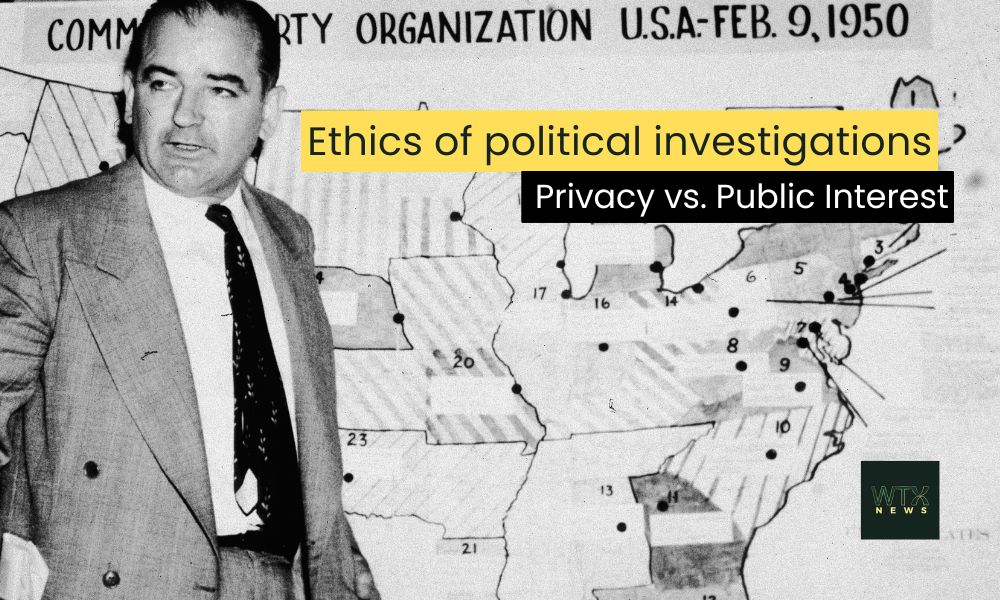
One of the most significant ethical concerns in political investigations is the potential for overreach, where the pursuit of transparency infringes on personal boundaries or becomes politically motivated. The Joseph McCarthy hearings of the 1950s, in which individuals were accused of communist sympathies based on tenuous evidence, remain a cautionary tale. These investigations, often targeting personal beliefs and associations, blurred the line between legitimate public interest and invasive, politically driven harassment. They demonstrated how investigations can become tools of partisan agendas, causing undue harm to individuals and eroding public trust in the process.
The rise of social media and 24-hour news cycles has amplified these concerns, as private information can be rapidly disseminated and weaponized. The #MeToo movement, for example, exposed numerous instances of legitimate misconduct but also raised questions about how allegations are reported and verified. While some cases resulted in accountability for public figures, others highlighted the risks of unsubstantiated claims damaging reputations without due process.

The intense media focus on Hillary Clinton’s health during the 2016 presidential campaign at times crossed into personal territory.
The Role of Media in Navigating Privacy and Public Interest
The media plays a pivotal role in shaping the ethical boundaries of political investigations. Journalists often act as intermediaries, determining what information is disclosed and how it is framed. Investigative reporting has uncovered some of the most significant political scandals in American history, from Watergate to the Pentagon Papers, demonstrating the importance of a free press in holding power to account.
However, media outlets also face ethical dilemmas in deciding how much private information to expose. Sensationalized coverage can blur the lines between necessary scrutiny and voyeurism, as seen in the intense media focus on Hillary Clinton’s health during the 2016 presidential campaign. While questions about her fitness for office were legitimate, critics argued that the coverage at times crossed into personal territory, detracting from substantive policy discussions.
Balancing Privacy and Accountability
Striking a balance between privacy and public interest requires thoughtful consideration of several factors. First, the relevance of the information to a politician’s official duties should guide the scope of investigations. Behavior or decisions that directly impact governance—such as corruption, abuse of power, or financial conflicts of interest—clearly warrant public scrutiny. In contrast, purely personal matters with no bearing on official responsibilities should remain private unless they reveal patterns of behavior that undermine public trust.
Second, transparency and due process must be central to ethical investigations. Allegations should be thoroughly vetted, and public figures should have the opportunity to respond before conclusions are drawn. This approach helps prevent the weaponization of investigations and ensures that accountability efforts remain focused on the public good.
Common FAQs
What is the Watergate scandal in simple terms?

It revolved around members of a group associated with Nixon’s 1972 re-election campaign breaking into and planting listening devices in the Democratic National Committee headquarters at the Watergate Office Building in Washington, D.C., on June 17, 1972, and Nixon’s later attempts to hide his administration’s involvement.
What happened between Bill Clinton and Monica Lewinsky?

Clinton admitted in a taped grand jury testimony on August 17, 1998, that he had engaged in an “improper physical relationship” with Lewinsky. That evening he gave a nationally televised statement admitting that his relationship with Lewinsky was “not appropriate”.