



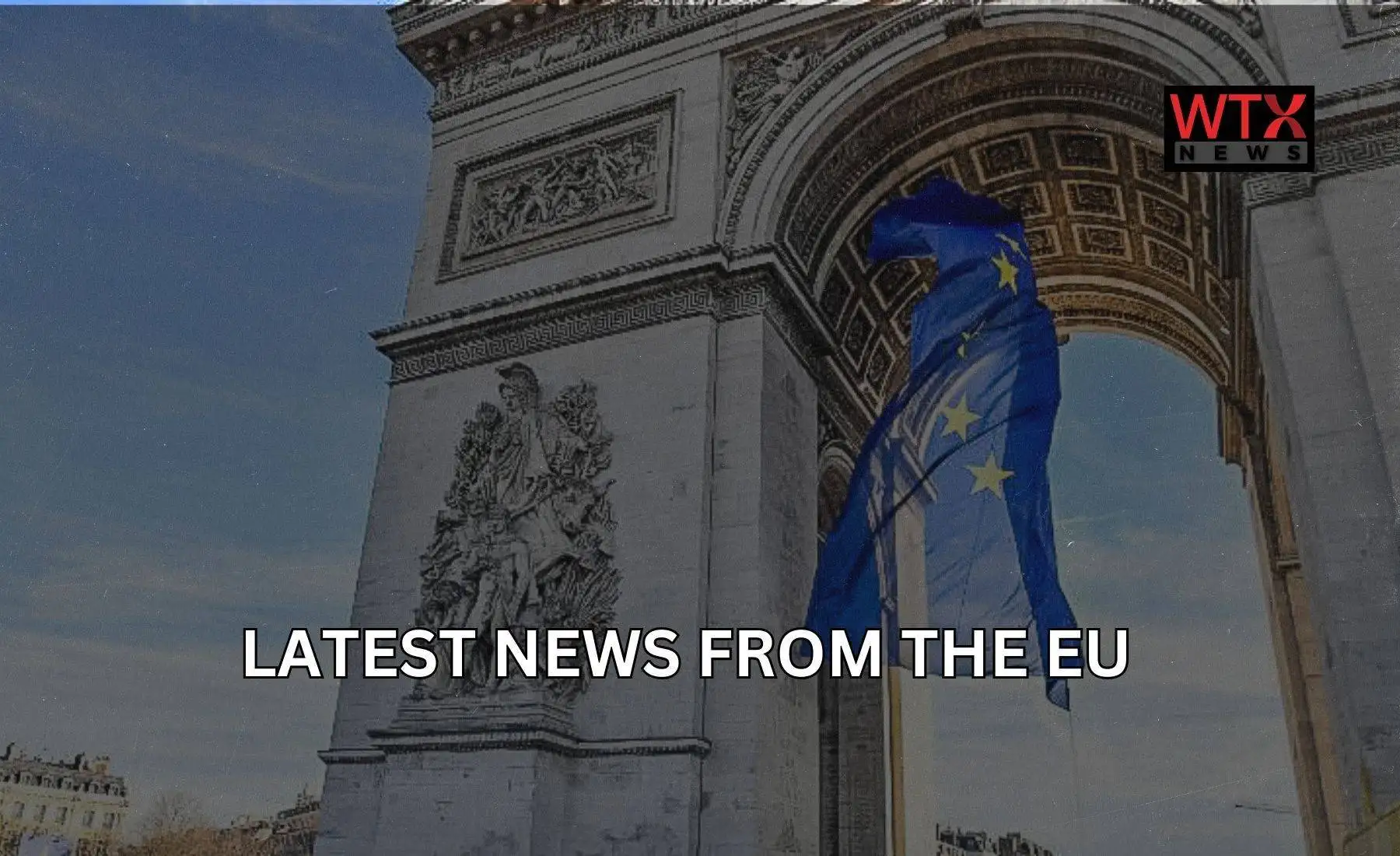
EU launches initiatives to secure critical minerals and reduce dependency on China
In a significant development for EU-China relations, the European Union and China have struck an interim trade deal to halve Chinese hybrid exports, a move aimed at aligning trade regulations and reducing market competition. This agreement not only underscores the EU’s ongoing efforts to negotiate fairer trade practices but also signals a strategic pivot as tensions with the US escalate over trade issues. The European Commission is poised to evaluate the full implications of this agreement in the coming weeks.
On the economic front, the EU anticipates that this trade agreement will stabilise hybrid vehicle prices, which could impact Europe’s green technology sector. As reactions unfold, industry stakeholders will closely monitor how this deal influences both the automotive market and broader trade dynamics. The next key moment will likely arise when the European Parliament takes up the matter for formal scrutiny.
Key developments across Europe
EU BUSINESS — The EU is accelerating its mineral projects to prevent economic fallout from a potential trade war with China.
This initiative includes a significant increase in investments in mining and recycling to ensure a stable supply of critical minerals. The push reflects growing concerns about dependency on China and aims to bolster the EU’s strategic autonomy in the face of geopolitical tensions.
EU ECONOMY — An Irish proposal advocates for a €159 billion reduction in the EU budget, reflecting economic constraints.
The proposal emerges amid rising inflation and energy costs impacting member states, prompting a reevaluation of financial allocations. If implemented, the cuts could significantly affect joint initiatives and funding across various sectors, leading to a reevaluation of priorities within the Union.
EU LAW — Controversy arises as EU scientists and activists express concerns over potential deregulation of pesticide safety standards.
The proposed changes could undermine long-established protections, leading to increasing risks for public health and the environment. Advocacy groups fear that revising these standards will result in negative consequences for food safety, echoing past failures in regulatory oversight within the EU.
EU FOREIGN POLICY — The EU, Canada, and Lithuania withdraw from a disinformation conference in response to US pressure.
This development highlights the complexities and influences of international relations where US interests may dictate the actions and decisions of allied nations. The conference’s focus on disinformation practices has raised concerns about freedom of assembly and expression in the current geopolitical climate.
What to watch — Ongoing debates within the EU regarding the potential impacts of reduced budgets on member state preparedness and joint initiatives.
Further reading from across European news sources
Reuters
China, EU strike deal to halve Chinese hybrid exports
Politico Europe
EU budget slashed by €159B in new Irish proposal
The Guardian
EU ‘pulling out all stops’ with minerals projects as it tries to avert China trade war
Politico Europe
EU quietly braces for nightmare scenario of multiple-casualty hybrid attack
Euronews
EU calls US sanctions on International Criminal Court ‘regrettable’