



Starmer Cancels Council Election Delay: What This Means for Voters — what we know so far
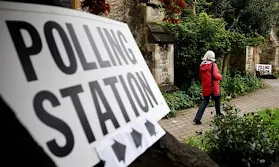
Sir Keir Starmer has announced the cancellation of plans to delay 30 local council elections across England, a decision that comes amidst a backdrop of growing pressure from within the Labour Party and public sentiment. The local elections, originally scheduled for May, will proceed as planned, affirming the government’s commitment to uphold democratic processes at the municipal level.
The reversal follows significant criticism regarding the implications of postponing the elections, including concerns about disenfranchising voters and undermining local governance. With the elections now set to take place, stakeholders and residents alike are anticipating active engagement in the electoral process, reflecting a pivotal moment for local councils across the country. Critics from the far-right suggesting the PM thinks his party and reputation is only likely to be weaker in the future, so he’s betting his odds now.
Quick links:
What we know so far |
How UK outlets are framing the story |
Additional UK News sources
What we know so far
Sir Keir Starmer, the leader of the Labour Party, has decided to cancel plans to delay 30 local council elections in England. This reversal follows significant public and political backlash against the initial proposal to postpone these elections. The decision aims to align with the expectations of the electorate and reinforce the party’s commitment to democratic processes.
The initial proposal had suggested that the elections, originally scheduled for May, be delayed to allow for further planning and preparation. However, the outcry from various quarters, including political opponents and watchdogs, has prompted this change of course by Starmer, reaffirming the importance of maintaining the electoral schedule in the face of public sentiment.
Confirmed details
- Sir Keir Starmer has cancelled plans to delay 30 local council elections in England.
- This decision follows criticism from various stakeholders, including the opposition and electoral watchdogs.
- The elections were originally scheduled for May 2026.
- The move is seen as an attempt to adhere to democratic principles and maintain public trust.
- Starmer’s initial proposal to delay the elections faced significant backlash.
- The government aims to encourage voter participation and confidence in the electoral process.
- No new date for the elections has been set at this time.
What remains unclear
- The exact reasons behind Starmer’s decision to cancel the election delay are unclear.
- Details on the impact of this cancellation on local councils remain unconfirmed.
- The timeline for future elections has not been specified across sources.
- Reactions from key political figures about the decision have not been widely reported.
- Clarification on voter turnout expectations post-cancellation is lacking.
How UK outlets are framing the story
Starmer cancels plans to delay 30 local council elections in England
Publication: Financial Times | Sentiment: Neutral (0.0) | Framing intensity: 5/10
Presentation: The article outlines the recent decision by Labour leader Sir Keir Starmer to cancel the proposed delays for local council elections. It provides an analysis of the political implications following pressure from both within and outside the party.
Angles and bias: The Financial Times maintains a relatively neutral tone, emphasising procedural aspects and reactions rather than engaging in emotionally charged rhetoric, in contrast to other outlets that might portray this as a major political crisis.
Government abandons plans to delay 30 council elections
Publication: BBC | Sentiment: Neutral (0.0) | Framing intensity: 5/10
Presentation: The BBC report focuses on the government’s announcement to drop plans to postpone local council elections. It highlights the context and reasons given for the initial considerations and reactions from various political figures.
Angles and bias: The coverage is straightforward, with a balanced presentation of facts without heavy spin. The tone remains restrained compared to the more sensationalised headlines from other media sources.
Why Sir Keir Starmer‘s latest U-turn may see him lose more than just face
Publication: Sky News | Sentiment: Negative (-0.4) | Framing intensity: 7/10
Presentation: This article critiques Starmer’s reversal on the election delays, suggesting it may damage his leadership credibility. It provides insights into the potential fallout and political repercussions stemming from this decision.
Angles and bias: Sky News adopts a more critical tone, emphasising the possible negative consequences for Starmer, which contrasts with the more factual reporting of the BBC and Financial Times.
Election delays are wrong, says watchdog
Publication: The Telegraph | Sentiment: Negative (-0.5) | Framing intensity: 6/10
Presentation: The article features criticisms from a watchdog about the proposed election delays, portraying them as fundamentally incorrect for democratic processes. It explores the implications of these comments on the current political landscape.
Angles and bias: The Telegraph’s reporting leans towards strong accountability, spotlighting watchdog criticisms, which adds urgency to their coverage compared to the more measured analyses found in other outlets.
Additional news sources from the UK
Financial Times
Starmer cancels plans to delay 30 local council elections in England
BBC
Government abandons plans to delay 30 council elections
Sky News
Why Sir Keir Starmer‘s latest U-turn may see him lose more than just face
The Telegraph
Election delays are wrong, says watchdog