



TL:DR – European Commission Seeks G7 Input on Russian Oil Price Cap Changes
• The European Commission is consulting G7 partners on the future of the Russian oil price cap before proposing new sanctions against Moscow.
• Finland and Sweden are advocating a full ban on maritime services related to Russian crude oil, which is under consideration.
• The EU’s current price cap on Russian oil was recently adjusted to $44.10 per barrel.
• Brussels aims to approve the 20th package of sanctions by 24 February, the war’s fourth anniversary.
• Additional punitive measures from Washington are “under consideration,” according to US Treasury Secretary Scott Bessent.
EU seeks G7 input on price cap before next round of sanctions against Russia
The European Commission is soliciting input from its G7 partners regarding the future of the price cap on Russian oil as it prepares to propose a new round of sanctions against Moscow. Officials indicated that a presentation to ambassadors originally scheduled for Friday has been tentatively postponed to early next week.
The immediate significance of this development stems from the Commission’s consideration of a full ban on maritime services provided by European companies to vessels carrying Russian crude oil or refined petroleum products. This proposal, supported by Finland and Sweden, seeks to enhance the impact of sanctions on Russia’s oil sector.
Proposed Maritime Ban Could Halt Services for Russian Vessels
Currently, the European Union permits such services only if the vessels comply with the G7 price cap, which was last adjusted to $44.10 per barrel. Should the EU implement the complete ban, it would effectively nullify the cap within EU jurisdiction, as companies would be prohibited from servicing all Russian vessels regardless of compliance with the price limit.
Finland and Sweden advocate for the ban, citing potential benefits such as increased costs for Russia’s oil sector and improved enforcement against sanctions evasion. However, the decision poses challenges, as unanimity from all 27 member states is required, particularly if G7 partners do not support the initiative.
Coordination with the United States Amid Ongoing Peace Negotiations
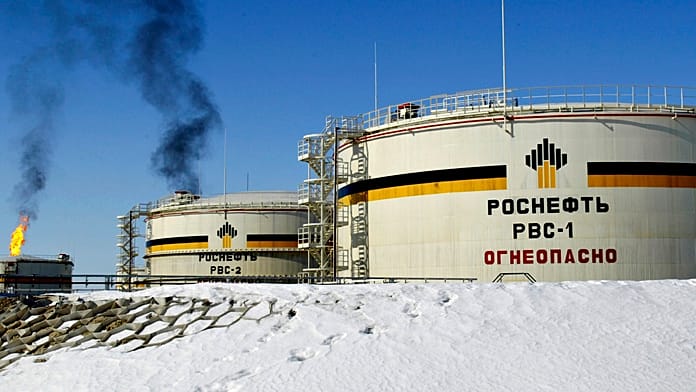
Brussels is working to align its sanctions strategy with the White House, especially after the US sanctioned Russia’s largest oil companies, Rosneft and Lukoil. The sanctions have influenced market dynamics, compelling Moscow to sell its Urals crude at significant discounts.
Despite the ongoing negotiations aimed at achieving a peace deal between Ukraine and Russia, progress has been limited. US Treasury Secretary Scott Bessent mentioned that additional punitive measures are “under consideration,” highlighting the complexities of the current geopolitical landscape.
Upcoming Sanctions Package Set for Approval by February 24
In addition to the maritime ban, the next round of EU sanctions is anticipated to target “shadow fleet” vessels and entities aiding Moscow, with a focus on China. The European Commission aims to finalise the 20th sanctions package by 24 February, marking the fourth anniversary of the war in Ukraine. Ursula von der Leyen, President of the European Commission, along with António Costa, President of the European Council, plan to visit Ukraine on that date to reaffirm the EU’s support.
“