
Latest News
- Arab parties expected to secure 18 seats in Israel’s parliamentary election
- Mayoral candidates support increased policing as Winnipeg civic election approaches
- Grand jury decides against indicting Cassidy Hutchinson over Jan. 6 testimony
- Ukrainians return to homes following ceasefire agreement amid ongoing conflict
- Record Voter Turnout in Israel’s Pivotal Election as Netanyahu Faces Eisenkot
- Israel election results expected as Netanyahu faces tight race amidst high turnout
- Chow faces budget challenges and provincial negotiations after election win
- Justice Department requests Washington state to set aside ballots from 400 alleged noncitizens


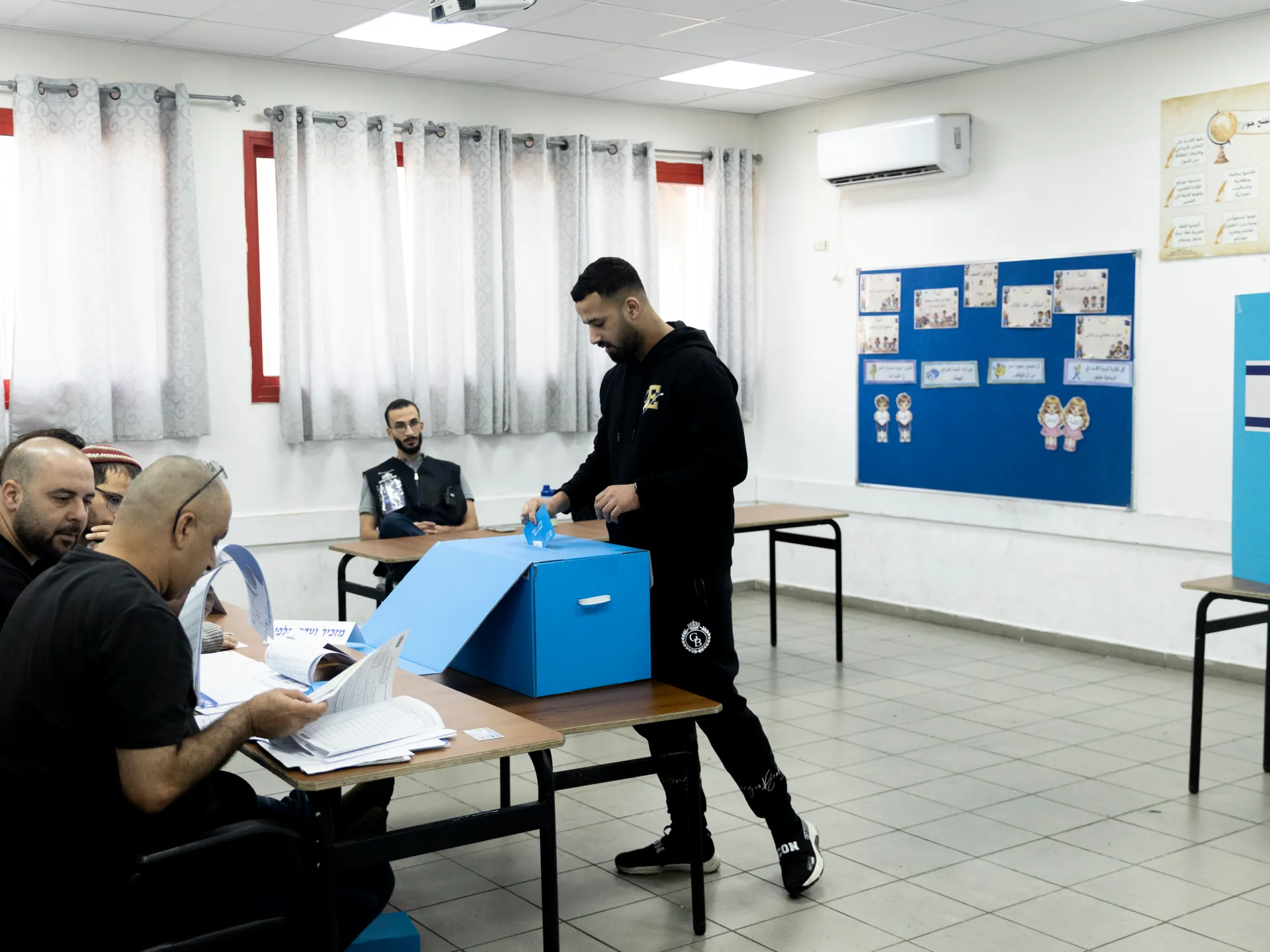
Arab parties expected to secure 18 seats in Israel’s parliamentary election
Exit polls indicate that Arab parties in Israel are projected to secure 18 seats in the Knesset following a record voter turnout of approximately 80% among Palestinian citizens. The Joint List and Ra’am are expected to play a significant role as coalition discussions commence amidst a tightly contested political landscape.
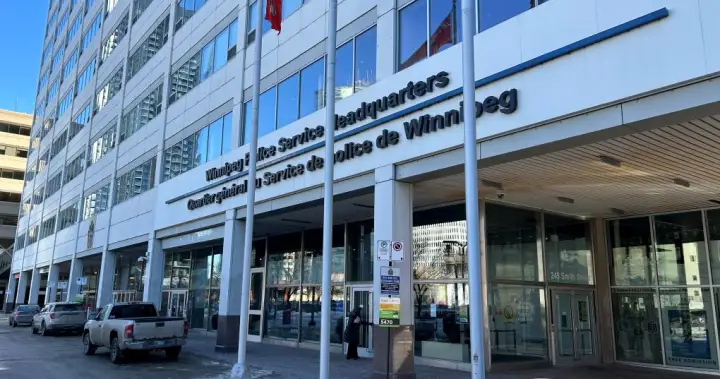
Mayoral candidates support increased policing as Winnipeg civic election approaches
Mayoral candidates in Winnipeg are proposing increased police presence and surveillance tools, including drones, ahead of the civic election. Experts warn that adding officers may not address underlying social issues, despite the Winnipeg Police Service receiving 27 per cent of the city’s budget.
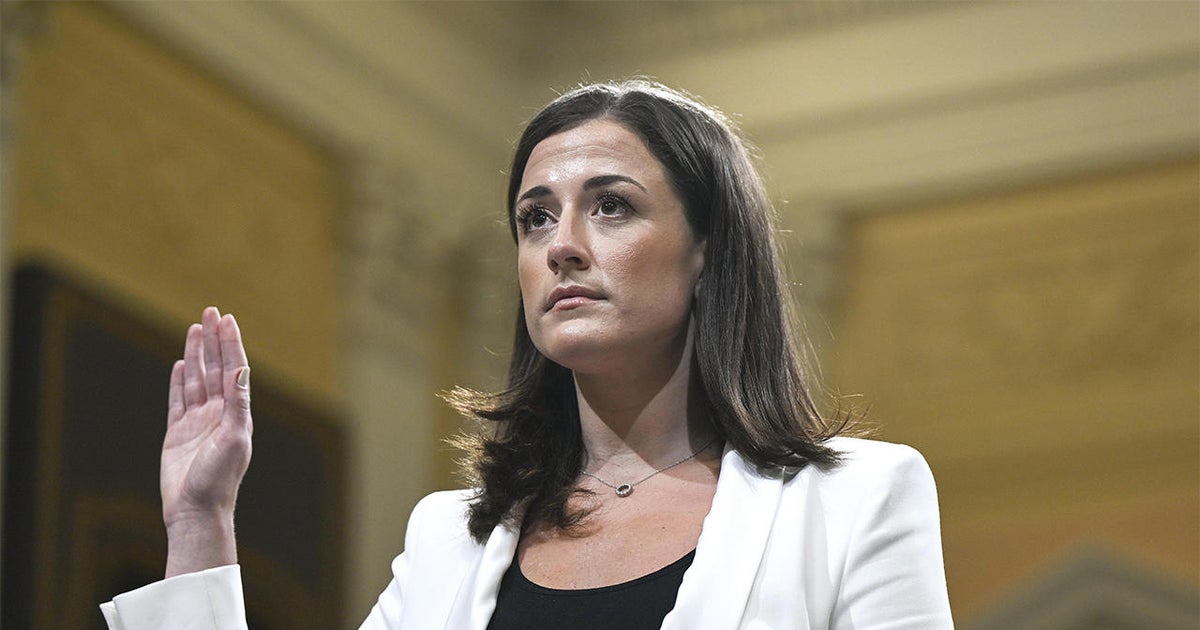
Grand jury decides against indicting Cassidy Hutchinson over Jan. 6 testimony
Federal prosecutors were unsuccessful in securing an indictment against Cassidy Hutchinson related to her testimony about the January 6, 2021, Capitol attack. The Justice Department has not commented, and the grand jury reportedly did not reach consensus on the proposed charges against her.

Ukrainians return to homes following ceasefire agreement amid ongoing conflict
A temporary ceasefire has allowed Ukrainian residents to return to Oleshky and access essential supplies, with no violations reported since its implementation.

Record Voter Turnout in Israel’s Pivotal Election as Netanyahu Faces Eisenkot
What’s going on?
Benjamin Netanyahu confirmed his bid for re-election during Israel’s general election. The polls indicate a competitive race against his main rival, Eisenkot, with voter turnout reportedly at a record high. Early exit polls show no clear victor, suggesting a potential deadlock.
The New York Times highlights, “Israel Election Live Updates: Record Voter Turnout as Netanyahu Faces Challenge Led by Eisenkot,” emphasising the election’s stakes and Netanyahu’s personal challenge. In contrast, Reuters reports, “Live: Israeli exit polls indicate deadlock in pivotal election as Netanyahu faces main rival Eisenkot,” focusing more on the electoral mechanics and potential outcomes. This reflects varying stress on either the drama of the election or the implications of exit polls.
Coverage analysed: The New York Times | Reuters
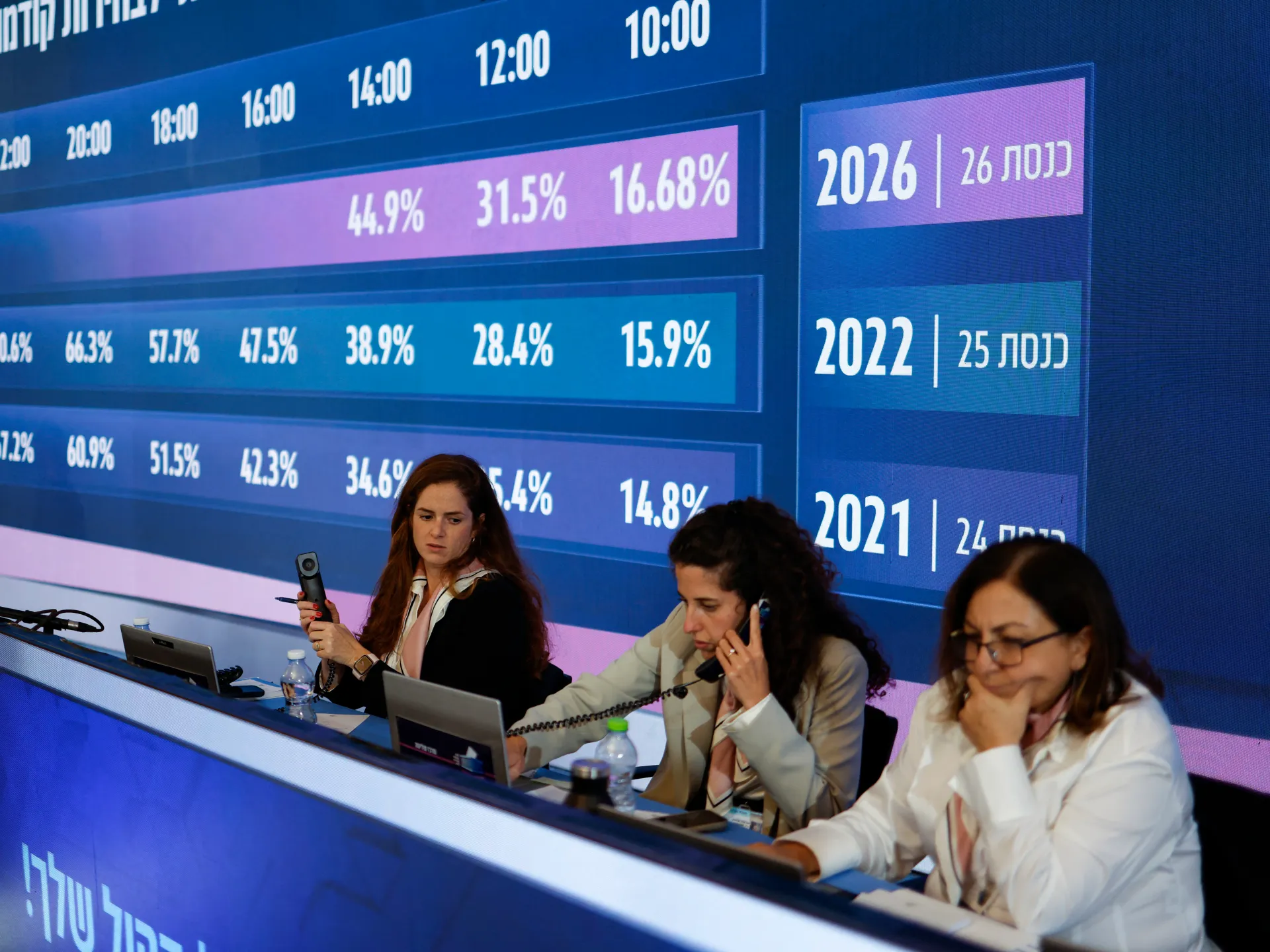
Israel election results expected as Netanyahu faces tight race amidst high turnout
Voter turnout for Israel’s latest election has reached significant levels, as analysts label the contest one of the most consequential in the nation’s history. This reflects heightened political engagement and underscored the importance of the election’s outcome for the country’s future direction.


