


TL:DR – Real household income in Europe rises by 7% since COVID-19 pandemic
• On 9 February 2026, Jakub Janas reported that real household income in Europe has increased by about 7% since the COVID-19 pandemic.
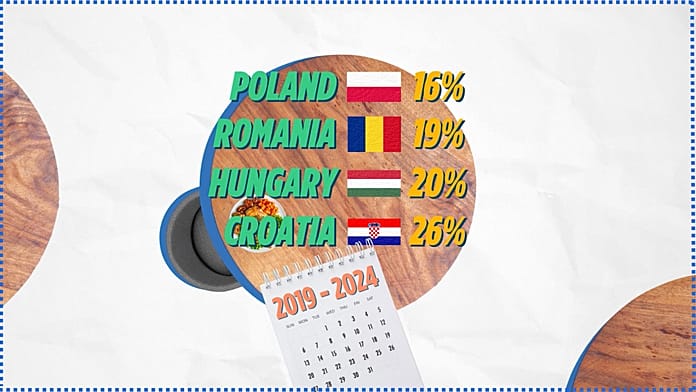
• Eastern European countries like Poland, Romania, Hungary, and Croatia have seen real incomes grow by 15-20% in five years.
• In contrast, northern countries such as Sweden, Finland, and Denmark have experienced nearly zero growth in real household income.
• Luxembourg and Germany have the highest purchasing power in Europe, nearly five times that of Bulgaria.
Watch the video: Europeans are getting richer — but would your wallet actually agree?
Europeans are experiencing a rise in wealth following the COVID-19 pandemic, with real household income increasing by approximately 7%, according to a report published on 9 February 2026 by Euronews. However, this financial uplift is not evenly distributed across the continent, revealing significant disparities in income growth between different regions.
Countries in Eastern Europe, such as Poland, Romania, Hungary, and Croatia, are seeing their real incomes grow by around 15-20% over the past five years. In contrast, Northern European nations like Sweden, Finland, and Denmark have recorded minimal growth, while larger economies such as Germany and Italy are also experiencing stagnation.
The concept of “real household income” reflects the actual amount available after accounting for taxes and inflation. In Northern Europe, rising costs have significantly eroded purchasing power, whereas wages in Eastern Europe have increased quickly enough to outpace inflation. Despite the overall increase in wealth, stark contrasts remain in purchasing power, with citizens in Luxembourg and Germany enjoying advantages that allow for a higher standard of living compared to Bulgaria.
“