



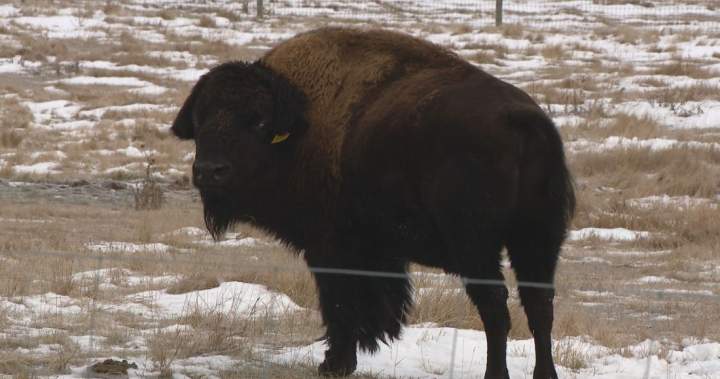
What’s the Latest: Restoring the bison population may be possible, ‘groundbreaking’ study finds
A study led by the University of Saskatchewan has revealed a method for genetically restoring the American bison population in North America. The Bison Integrated Genome project compared DNA from ancient bison to modern ones, noting a significant loss of genetic diversity due to historical events, such as hunting and isolation from industrialisation.
The Bison Integrated Genome (BIG) project analysed genomes from 115 ancient bison and 45 modern specimens, revealing significant genetic fragmentation among current herds. The study offers potential guidelines for restoring genetic diversity and mitigating disease transmission in American bison populations in collaboration with organisations like the Toronto Zoo and Parks Canada.
The University of Saskatchewan’s study on American bison gene restoration has been acknowledged as a potential blueprint for future conservation efforts, with project partners such as the Toronto Zoo and Parks Canada set to benefit from the findings. The researchers aim to increase genetic diversity among bison herds and address disease transmission risks by strategically implementing the insights from their findings.
What remains unclear — It is not specified how the proposed restoration strategies will be implemented across various bison herds.
Study suggests potential for restoring North America’s bison population
A study led by the University of Saskatchewan could significantly advance efforts to restore the American bison population in North America, which has drastically declined from an estimated 30 million to just hundreds in the 19th century due to overhunting. The research, part of the Bison Integrated Genome (BIG) project, involved comparative analyses of the genomes of 115 ancient bison and 45 modern bison, revealing critical insights into their genetic structure.
Principal investigator Gregg Adams, a retired professor from the university, noted the importance of understanding genetic distinctions: “We need to know what a pure plains bison is and what a pure wood bison is before we messed with the mix.” His team found that the genetic diversity among modern bison herds has diminished largely due to isolation created by human infrastructure, which has fragmented their populations.
The study highlighted how historical population dynamics allowed for genetic intermixing among herds, contributing to their genetic diversity. Adams explained that this interconnectivity ceased post-industrialisation, resulting in herds becoming disconnected and leading to “isolation [which] will eventually cause the demise of a small population.”
Furthermore, the research traced issues stemming from a 1920 translocation event, which inadvertently led to hybridisation between plains bison and wood bison, as well as the introduction of cattle diseases. “This caused two serious, serious problems in conserving the bison,” Adams said, stressing the repercussions for both genetic integrity and health.
The findings suggest that restoring gene flow among herds could facilitate a more robust population structure, safeguarding genetic diversity and mitigating disease risks. The study serves as a potential blueprint for conservation strategies involving bison and may offer a research model for other at-risk species. “We are really in a position where we can do something. We can make an impact,” Adams concluded.