



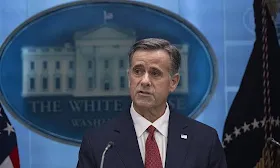
Media Lens: CIA Director Ratcliffe warns Russia against NATO attacks during Moscow visit
CIA Director John Ratcliffe visits Moscow for talks.
CIA Director John Ratcliffe visited Moscow to hold intelligence talks. He warned Russia against attacking NATO allies, as reported in coverage in CBS News and Politico.
What happened
CIA Director John Ratcliffe visited Moscow for intelligence talks and warned Russia against any attacks on NATO allies. This secretive trip highlighted ongoing tensions and the importance of communication in international relations.
Ratcliffe’s dialogue with Russian officials came at a critical time, aiming to address security concerns and reinforce deterrent measures. The discussions emphasized the need for collaboration amid escalating geopolitical challenges.
Key facts
- CIA Director John Ratcliffe made a surprise trip to Moscow.
- During the visit, Ratcliffe warned Russia not to attack NATO.
- Ratcliffe’s trip was part of intelligence talks with Russian officials.
- Russia’s foreign spy chief confirmed the talks with Ratcliffe took place.
Where coverage differs
- CBS News emphasizes the warning to Russia against attacking NATO, while Politico emphasizes the broader implications of the CIA director’s visit regarding Iran.
- Reuters foregrounds the confirmation of talks between the CIA director and Russia’s foreign spy chief, rather than the tensions surrounding NATO.
- The Wall Street Journal prioritizes the surprise nature of the CIA director’s trip, over the geopolitical implications addressed by other outlets.
One story, four angles
CBS News – CIA Director John Ratcliffe, during secretive trip, warned Russia not to attack NATO
Publication: CBS News | Primary framing pattern: political | Tone: serious | Intensity: 7/10 | Sentiment: neutral | Legal precision: high
Expand
Espresso Shot: This report focuses on CIA Director John Ratcliffe’s warning to Russia during a clandestine visit to Moscow, emphasizing the geopolitical implications of his statements regarding NATO. The outlet casts this trip as a strategic diplomatic maneuver amid rising tensions.
Publication emphasis: The emphasis is placed on Ratcliffe’s warning to Russia and the context of NATO security.
Framing analysis: The warning is foregrounded, while the visit’s broader implications for U.S.-Russia relations take a secondary role.
Bias: Selection: Highlights the seriousness of the warning. Language: Uses assertive language regarding Ratcliffe’s actions. Omission: Details on the Russian response or domestic implications of his visit are lacking.
Assessment: The piece presents a direct account of the visit, emphasizing the urgency of NATO’s security concerns.
Politico – CIA chief used Moscow visit to warn Russia against attacks on NATO allies, helping Iran
Publication: Politico | Primary framing pattern: political | Tone: assertive | Intensity: 8/10 | Sentiment: cautious | Legal precision: high
Expand
Espresso Shot: This article notes how CIA Director Ratcliffe’s visit to Moscow served to issue a warning to Russia about potential attacks on NATO allies. The framing suggests a complex interplay between U.S. actions and Russian responses, hinting at broader strategic implications.
Publication emphasis: The primary focus is on the caution raised regarding NATO and the wider implications for Iran.
Framing analysis: The warning to Russia is foregrounded, with the secondary focus on its potential implications for U.S. allies and broader international relations.
Bias: Selection: Highlights strategic geopolitical implications. Language: Employs strong, direct language regarding the threat to allies. Omission: Lacks detailed exploration of Russia’s potential counteractions.
Assessment: The analysis offers a critical perspective on U.S.-Russia relations with a focus on NATO security and implications for broader geopolitical security.
Reuters – Russia’s foreign spy chief confirms he held talks with CIA director in Moscow
Publication: Reuters | Primary framing pattern: political | Tone: informative | Intensity: 6/10 | Sentiment: neutral | Legal precision: high
Expand
Espresso Shot: This article reports on the confirmation from Russia’s foreign spy chief about discussions held with CIA director Ratcliffe. It frames the encounter as a significant event in U.S.-Russia relations highlighting the delicate balance of intelligence and diplomacy.
Publication emphasis: The meeting between Russia’s spy chief and the CIA director is emphasized, pointing to its significance in relations.
Framing analysis: The confirmation of the talks is foregrounded while implications for future interactions between the two countries are noted but less emphasized.
Bias: Selection: Focuses on the meeting’s confirmation as a pivotal moment. Language: Utilizes neutral language regarding the discussions. Omission: Lacks depth on the content or outcomes of the talks.
Assessment: The reporting provides essential information on the diplomatic interactions without deep analysis of broader implications.
Food for thought
CBS News emphasizes the legal framing by noting that CIA Director John Ratcliffe’s diplomatic visit to Moscow was aimed at delivering a direct warning to Russia regarding NATO aggression, thereby highlighting adherence to international norms. In contrast, Politico adopts a more escalatory tone, framing Ratcliffe’s actions as a confrontation, indicating not only a reactive stance but a proactive declaration against potential threats. This divergence reveals how CBS places a focus on diplomatic legalities while Politico heightens tensions, underlining the geopolitical stakes involved. The facts do not change. What changes is where scrutiny lands.