


Media Lens: Iran’s Aggression Escalates: Economic Implications of Oil Attacks in the Middle East
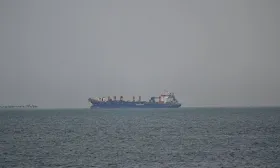
Oil tankers were attacked off the coast of Iraq amid increasing tensions in the Middle East. The situation has raised concerns about the region’s stability and the rising price of oil.
Quick links:
What has happened |
Confirmed details |
What remains unclear |
One story, four angles |
What’s missing |
Related links
What has happened
Multiple oil tankers were attacked off the coast of Iraq, escalating tensions amidst a broader crisis in the Middle East. The incidents reportedly occurred in the strategically important waterway as geopolitical instability in the region deepens. Various reports indicate the attacks stemmed from ongoing conflicts, highlighting the increasingly volatile nature of maritime security in affected waters.
This surge in aggression has contributed to rising oil prices, surpassing $100 a barrel, as concerns grow over potential disruptions in oil supply. The targets of the strikes have included vessels linked to various nations, further complicating international relations and trade in the region. Authorities and analysts are closely monitoring the situation as the repercussions unfold.
Confirmed details
- Several oil tankers were attacked off the coast of Iraq.
- The incidents occurred amid escalating tensions in the Middle East.
- These attacks have led to concerns about increasing volatility in oil prices.
- Reports indicate that the attacks were potentially conducted by Iranian forces.
- The situation is part of a broader regional crisis involving multiple nations.
- Global oil prices have risen significantly, topping $100 a barrel as a result.
What remains unclear
- The specific reasons behind the recent attacks on oil tankers in Iraq remain unclear.
- The extent of damage caused to the vessels in the attacks is not consistently reported across sources.
- The identities and motivations of the perpetrators involved in the oil tanker attacks have not been conclusively established.
- The potential political implications of these attacks on regional stability are not clearly defined.
- The response of international governments and organisations to the situation is not uniformly detailed.
- There is inconsistency regarding how these events might affect global oil prices and supply chains.
One story, four angles
Bloomberg.com – Oil Tankers Attacked Off Iraq as Middle East Crisis Worsens
Publication: Bloomberg.com | Primary framing pattern: Conflict-led | Tone register: Urgent | Intensity level: High (8/10) | Sentiment: -0.3 | Legal precision: Medium
Expand
Espresso Shot:
Bloomberg highlights escalating tensions in the Middle East with attacks on oil tankers, underscoring the risk to global oil supply and regional stability.
Quote unavailable (paywall/limited preview).
Framing analysis:
The focus is on the escalating conflict and its implications for energy security, portraying a sense of urgency amid rising geopolitical tensions.
Bias:
Selection: Focus on military actions over diplomatic responses.
Language: Use of urgent terms implies crisis.
Omission: Lack of in-depth analysis on diplomatic efforts or resolutions.
Assessment:
Overall, the article presents a critical view of the geopolitical landscape in the region.
The New York Times – Iran War Live Updates: Oil Tops $100 a Barrel as Attacks Spread Across Middle East
Publication: The New York Times | Primary framing pattern: Consequence-led | Tone register: Analytical | Intensity level: Medium (6/10) | Sentiment: -0.1 | Legal precision: High
Expand
Espresso Shot:
This coverage underscores the economic impacts of military actions on global oil prices, highlighting the broader implications for consumers and economies.
Quote unavailable (paywall/limited preview).
Framing analysis:
By linking military conflict with economic consequences, the article suggests a direct relationship between geopolitical tensions and market volatility.
Bias:
Selection: Emphasis on economic impacts rather than military strategies.
Language: Terms reflecting concern over economic stability.
Omission: Lack of in-depth military strategy discussions.
Assessment:
The article effectively correlates military actions with economic consequences while addressing consumer concerns.
CNN – What we know on the 13th day of the US and Israel’s war with Iran
Publication: CNN | Primary framing pattern: Conflict-led | Tone register: Informative | Intensity level: Medium (5/10) | Sentiment: -0.5 | Legal precision: Medium
Expand
Espresso Shot:
CNN provides an overview of the ongoing conflict, framing it through the lens of military operations and international reactions, underscoring the complexity of the situation.
Quote unavailable (paywall/limited preview).
Framing analysis:
This report frames the narrative within the context of prolonged military engagement while incorporating international perspectives, thereby enriching the overall picture of the conflict.
Bias:
Selection: Focus on military developments at the expense of diplomatic efforts.
Language: Utilises military jargon that may alienate lay audiences.
Omission: Insufficient exploration of historical context.
Assessment:
The report is thorough but may benefit from a broader context on the historical roots of the conflict.
Reuters – Oil tankers burn as Iranian strikes defy Trump’s claim to have won the war
Publication: Reuters | Primary framing pattern: Legality-led | Tone register: Critical | Intensity level: High (7/10) | Sentiment: -0.4 | Legal precision: High
Expand
Espresso Shot:
Reuters critiques the aftermath of military claims, linking them to ongoing aggression and questioning the legal outcomes of intervention strategies, while highlighting humanitarian implications.
Quote unavailable (paywall/limited preview).
Framing analysis:
The coverage reflects concerns over the legality of military operations while looking critically at the consequences of such actions, providing a balanced yet pointed critique.
Bias:
Selection: Focus on legal and humanitarian perspectives.
Language: Language suggests a critical view of military interventions.
Omission: Limited mention of economic repercussions.
Assessment:
The article effectively engages with legal and humanitarian topics while critiquing the military strategy employed.
What’s missing across coverage
- Lack of in-depth historical context regarding the conflicts in the Middle East, particularly how past events inform current tensions.
- Insufficient exploration of the geopolitical implications of oil markets in relation to military actions and international diplomacy.
- Limited analysis of the humanitarian impact of these crises, including displacement and civilian casualties.
- Absence of insights into the perspectives of affected local populations, which can provide a more nuanced understanding of the situation.
The headlines from Bloomberg, The New York Times, CNN, and Reuters each employ distinct framing techniques to convey the ongoing crisis in the Middle East. Bloomberg’s “Oil Tankers Attacked Off Iraq as Middle East Crisis Worsens” largely simplifies the legal context, focusing on escalating tensions without strong legal discipline. Conversely, The New York Times escalates the narrative with “Iran War Live Updates: Oil Tops $100 a Barrel as Attacks Spread Across Middle East,” highlighting financial implications, which may heighten market anxiety as global oil prices surge. CNN’s coverage offers a continuous update, suggesting a state of urgency, while Reuters, through “Oil tankers burn as Iranian strikes defy Trump’s claim to have won the war,” frames the incident as a challenge to previous U.S. assertions, potentially providing material for critics and increasing diplomatic scrutiny. The facts do not change. What changes is where scrutiny lands.
Related links
Bloomberg
Oil Tankers Attacked Off Iraq as Middle East Crisis Worsens
The New York Times
Iran War Live Updates: Oil Tops $100 a Barrel as Attacks Spread Across Middle East
CNN
What we know on the 13th day of the US and Israel’s war with Iran
Reuters
Oil tankers burn as Iranian strikes defy Trump’s claim to have won the war